
Best Non-Toxic Makeup: What to Look For + Safer Makeup Picks
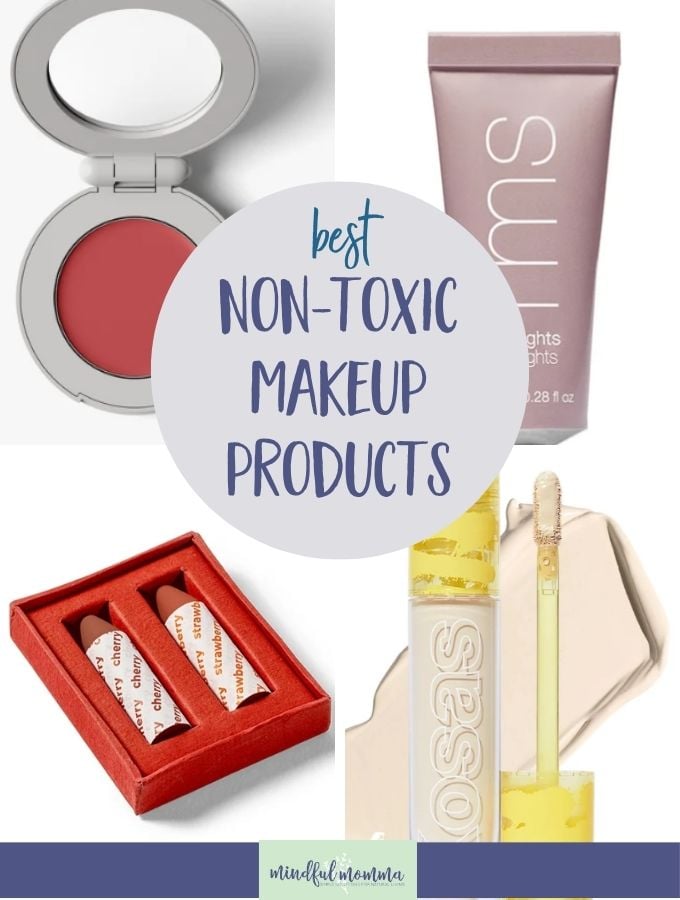
Looking for the best non-toxic makeup? From foundation and mascara to lipstick and highlighter, discover my top picks and learn which ingredients to watch for when choosing makeup for your health and the planet.
Using makeup is often an act of self-expression, and it helps us to feel more confident in the way we face the world. The last thing we want is for the makeup we use to be harmful to our skin and to our overall health.
Some makeup ingredients raise legitimate health or environmental questions, from PFAS to certain phthalates and potential contaminants such as heavy metals. As a longtime advocate for more mindful beauty products, I want to help you understand which ingredients are worth paying attention to and how to find makeup that fits your priorities.
Keep reading to learn tips to help you shop for clean makeup and find the safest makeup brands that actually work.
🏅 Why trust Mindful Momma? I have over 20 years of experience, as a product buyer in the beauty industry, a researcher of non-toxic and eco-friendly products, and the author of the book Practically Green: Your Guide to Eco-Friendly Decision Making.
At Mindful Momma we only endorse products we’ve personally researched, tested, and honestly love. We may receive commissions from affiliate links in this article including Amazon Affiliates. Full Disclosure
What Is Non-Toxic Makeup?
When it comes to makeup, I want products that look good, perform well and don’t contain ingredients I’d rather avoid. But figuring out which products meet those criteria isn’t always easy. Beauty brands use terms like clean, natural and non-toxic in different ways, so it’s important to look beyond the label.
Clean vs. Natural vs. Non-Toxic Makeup
- Clean makeup generally refers to products made without certain ingredients a brand chooses to exclude. Since there’s no universally accepted definition of clean beauty, standards vary from brand to brand.
- Natural makeup typically emphasizes ingredients derived from nature, such as plant oils, minerals and botanical extracts. Natural ingredients aren’t automatically safer, just as synthetic ingredients aren’t automatically harmful.
- Non-toxic makeup generally describes products selected or formulated with the goal of minimizing exposure to ingredients of concern. The term doesn’t have a single, universally accepted definition, so it’s important to evaluate the actual formula and the evidence behind a brand’s claims.
When I evaluate makeup, I consider ingredient safety, transparency, PFAS and other ingredients of concern, performance, environmental impact and value. My goal isn’t to find the perfect product, but to make informed choices that balance these factors without compromising on quality or spending more than necessary.
Why I’m Concerned About PFAS in Makeup
PFAS (per- and polyfluoroalkyl substances) are a large group of synthetic chemicals often called forever chemicals because many break down very slowly in the environment. Some PFAS have been linked to health concerns, and their persistence makes them an environmental concern, too.
PFAS have been used in some cosmetics to improve texture, smoothness and water resistance. A 2021 study published in Environmental Science & Technology Letters tested 231 makeup and personal care products and found high levels of fluorine—a marker that can indicate the presence of PFAS—in 52% of the products tested. The percentages were particularly high for waterproof mascara (82%), foundation (63%) and liquid lipstick (62%).
These findings are concerning, but high fluorine levels don’t automatically confirm that a product contains PFAS. The researchers did, however, detect at least four PFAS in each of 29 products selected for additional testing.
More recently, the FDA’s December 2025 assessment found significant gaps in the available safety data for PFAS used in cosmetics, so the FDA could not definitively determine the safety of most PFAS used in cosmetics.
You can read more about the findings in this CNN report on PFAS in makeup or the original peer-reviewed study.
Where Might PFAS Show Up in Makeup?
PFAS may be used in products marketed as waterproof, water-resistant or long-wearing, although these claims don’t automatically mean a product contains them.
If you’re trying to avoid PFAS, look for ingredients containing terms such as perfluoro- or polyfluoro-, as well as polytetrafluoroethylene (PTFE). However, identifying all PFAS from an ingredient list isn’t always straightforward.
I look for brands that are transparent about their PFAS policies and can explain how they substantiate claims that their products are PFAS-free. Third-party testing can provide additional reassurance, depending on which substances are tested and the methods used.
I’m not suggesting you need to throw away all your makeup. But if you’re looking to make more informed choices, PFAS are one category worth paying attention to.
For more practical ways to reduce exposure throughout your home and daily routine, read my guide to how to reduce your exposure to PFAS.
How to Choose Non-Toxic Makeup
You don’t need to memorize a long list of ingredients or replace every product in your makeup bag overnight. A few practical guidelines can help you make more informed choices as you shop.
Look for Ingredient Transparency
Start by checking the full ingredient list, which should be available on the product packaging or the brand’s website. I also look at how readily a company answers questions about its formulas, manufacturing practices and testing.
If a brand makes a specific safety claim, such as being PFAS-free, look for information explaining how that claim is supported. Clear ingredient disclosures and meaningful answers to consumer questions are more useful than broad assurances that a product is “clean” or “safe.”
Look Beyond Marketing Claims
Don’t assume a product is safer simply because it’s labeled clean or natural. Instead, consider the full ingredient list, the purpose of the ingredients and the available safety evidence. I don’t automatically rule out an ingredient because it’s synthetic, and I don’t assume a botanical ingredient is harmless just because it comes from nature.
Watch for PFAS and Long-Wear Claims
If you’re trying to minimize PFAS exposure, pay particular attention to ingredient transparency and the claims brands make about their formulas. Waterproof and long-wearing claims don’t prove that a product contains PFAS, so use them as a reason to look more closely—not as a reason to automatically rule out a product. See the PFAS section above for more details.
Consider Fragrance and Other Ingredients of Concern
Fragrance is worth considering if you prefer to avoid added fragrance or have experienced irritation from fragranced products. Fragrance ingredients may be listed under different names, and the label may not disclose every component of a fragrance mixture.
I also evaluate other ingredients based on the available safety evidence, their function and how they’re used. Some concerns involve an ingredient’s properties, while others involve possible contamination, such as asbestos in talc. The goal isn’t to treat every ingredient as a potential hazard, but to understand which concerns are meaningful and where reasonable alternatives are available.
Don’t Forget Performance and Sustainability
A makeup product can have an appealing ingredient list but still disappoint. I consider how well it applies, how it wears throughout the day, whether it performs as promised and whether it’s worth the price.
I also consider packaging and environmental impact. Refillable packaging, recyclable materials and less unnecessary packaging can be positives, although the best option depends on the product and how the packaging is used and disposed of.
If reducing waste is another priority for you, check out my guide to sustainable makeup brands for options that consider packaging and environmental impact.
Makeup Ingredients to Avoid (or Limit)
When shopping for makeup, you may come across long lists of ingredients labeled as toxic or harmful. But ingredient safety isn’t always black and white. It depends on factors such as the specific substance, its concentration, how it’s used and the level of exposure.
Rather than treating every ingredient on an avoidance list as equally concerning, I focus on ingredients and ingredient categories that raise legitimate questions about health, irritation, or environmental impact. Here are some worth understanding as you evaluate makeup products.
PFAS (Forever Chemicals)
PFAS are a group of synthetic chemicals used in some cosmetics to improve water resistance, durability, texture or smoothness. PFAS are often found in waterproof mascaras, long-lasting lipsticks and foundations.
I prefer makeup brands that avoid intentionally added PFAS because many of these chemicals persist in the environment, and the safety of many PFAS used in cosmetics remains uncertain. (For more on the research, where PFAS may show up in makeup and how to evaluate product claims, see my section above on why I’m concerned about PFAS in makeup.)
Fragrance and Fragrance Allergens
Fragrance can make a product more pleasant to use, but fragrance ingredients can also trigger allergic reactions or irritation in some people. If you have sensitive skin or prefer to avoid added fragrance, look for products labeled fragrance-free and review the ingredient list.
Fragrance-free and unscented aren’t always synonymous: an unscented product may contain ingredients intended to mask other odors. Also, fragrance isn’t inherently harmful to everyone, so this is a personal consideration rather than a reason to label every fragranced product unsafe.
Certain Phthalates
Phthalates are a group of chemicals with a variety of uses. Some have raised concerns about potential effects on the endocrine and reproductive systems, but the evidence and risks vary by compound.
Diethyl phthalate (DEP) has been used in fragrances and cosmetics, while some other phthalates have been restricted or are used less frequently in cosmetics. Because fragrance mixtures may not disclose every individual component on the label, it can be difficult to determine whether a fragrance contains DEP.
If you’d rather avoid this category, you can choose fragrance-free products and look for brands that explain their ingredient policies. It’s important to distinguish between phthalates with documented concerns and those for which regulators have not identified a safety concern at current cosmetic uses. The FDA provides more information about phthalates in cosmetics.
Parabens
Parabens are preservatives used to prevent bacteria and mold from growing in cosmetics. You may see them on ingredient labels as methylparaben, propylparaben, butylparaben or ethylparaben.
Some people prefer to avoid parabens because of research into their potential hormonal effects. However, the fact that a substance has shown biological activity in a study doesn’t automatically mean that using a cosmetic containing it causes harm. The FDA says it does not currently have information showing that parabens, as used in cosmetics, affect human health.
Preservatives serve an important purpose: without effective preservation, some makeup products can become contaminated with harmful microorganisms. If you choose to avoid parabens, look for products that use alternative preservation systems rather than assuming preservative-free products are automatically safer. Read the FDA’s overview of parabens in cosmetics.
Heavy Metals in Makeup
Heavy metals such as lead, arsenic, cadmium and mercury can sometimes be present as trace contaminants in makeup, particularly in mineral-based pigments and fillers used in products like eyeshadow, blush and face powders. The FDA has tested cosmetics for several heavy metals and found that the amounts were generally very low in the products surveyed. However, the amount and type of metal matter, and certain contaminants are worth minimizing. Because these surveys date back to 2012–2013, they don’t establish the current contaminant levels in every makeup product available today.
These contaminants may be impurities in raw materials rather than intentionally added ingredients, so they generally won’t appear on the product’s ingredient list. I favor brands that take ingredient quality seriously and can explain how they assess the purity of their raw materials and finished products.
One particular concern is traditional eyeliner products such as kohl and kajal, which can contain high levels of lead. The FDA warns against these products, which are not permitted for sale in the U.S. Read the FDA’s guidance on lead in cosmetics.
Talc and Potential Asbestos Contamination
Talc is a naturally occurring mineral used in some powders, eyeshadows, blushes and other cosmetics to absorb moisture, improve texture or prevent caking. Talc itself and asbestos are different minerals, but they can occur in nearby geological deposits, creating the possibility of contamination.
Asbestos is a known carcinogen, so preventing contamination of talc-containing products is important. If you prefer to avoid this concern, you can choose talc-free makeup or look for brands that provide credible information about their sourcing and testing.
Talc shouldn’t automatically be described as contaminated or unsafe in every product. The concern is potential asbestos contamination, and testing methods and quality controls matter. See the FDA’s information about talc in cosmetics.
Other Ingredients: Consider the Evidence
You’ll also find concerns online about ingredients such as certain preservatives, synthetic colors, and other cosmetic additives. Rather than automatically avoiding an entire category, I recommend looking at the specific ingredient, its intended use and the quality of the safety evidence.
For example, preservatives help protect products from microbial contamination, and approved color additives are subject to specific regulatory requirements. Some ingredients may be unsuitable for certain people or uses, while others have been judged acceptable under specified conditions.
My approach is to focus on meaningful concerns, choose transparent brands and look for products that meet my ingredient preferences without sacrificing performance. You don’t need to fear every unfamiliar ingredient to make thoughtful choices about your makeup.
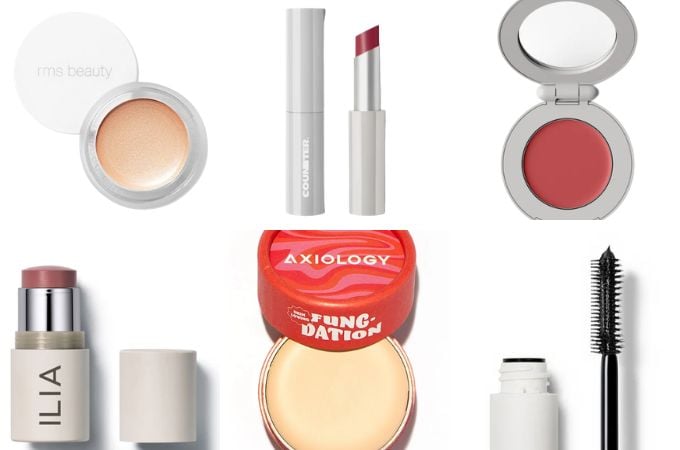
Best Non-Toxic Foundations
When choosing a foundation, I look for a formula that offers good coverage and wear while meeting my ingredient-safety and transparency standards. I also prefer a foundation that does not have a heavy scent to it. These are my top picks for different preferences, from lightweight, buildable coverage to a more polished finish.
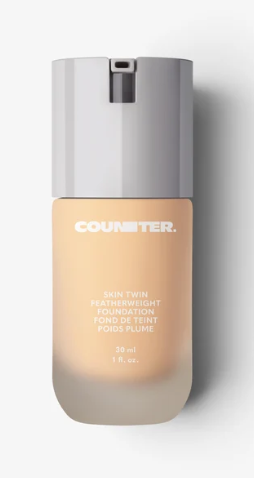
COUNTER Skin Twin Featherweight Foundation – Best Overall
- perfect for anyone who wants a buildable, weightless foundation that doubles as skincare
- this is my go-to foundation
- available in 27 shades
Learn more about why I recommend COUNTER beauty products.
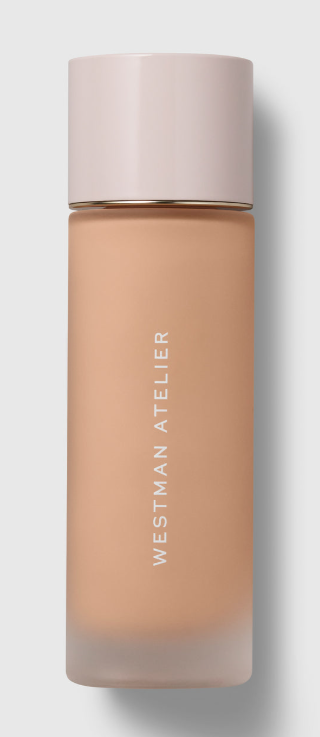
Westman Atelier Supreme Bio-Complex Liquid Foundation – Best Luxury Foundation
- a weightless liquid foundation that leaves skin looking polished and smooth
- my face looks so silky when I use this foundation!
- available in 30 shades
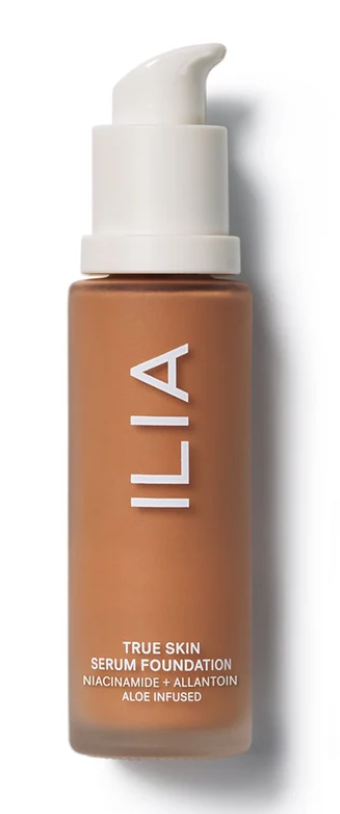
ILIA True Skin Serum Foundation – Best Medium Coverage
- a breathable formula with a silky finish that provides medium coverage
- ILIA does makeup so well – you can’t go wrong!
- available in 30 shades
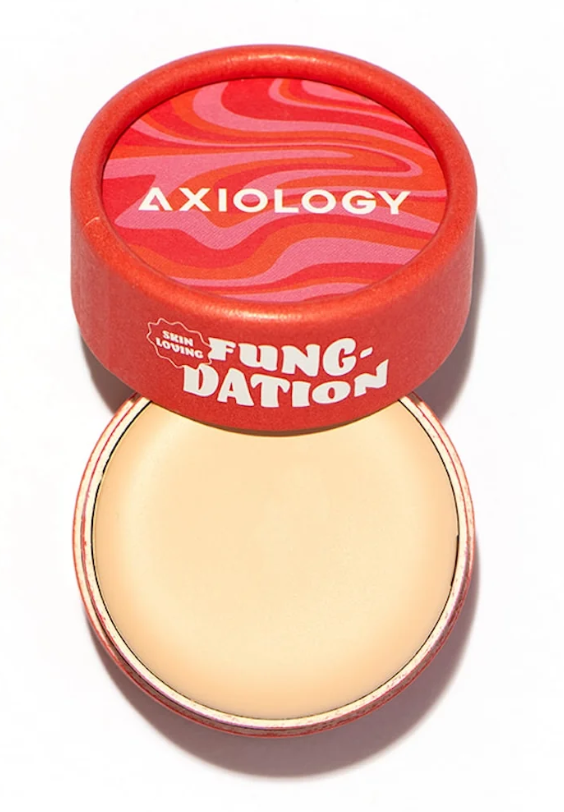
Axiology Fungdation Cream Foundation Stick – Best Stick Foundation
- I don’t usually like foundation sticks but this one goes on SO smoothly
- plastic-free packaging
- available in 15 shades
Best Non-Toxic Concealers
I’m picky about concealer! I want a formula that glides on smoothly, blends easily and doesn’t settle into fine lines. I also prefer liquid concealers with a wand applicator over sticks, so these are my top picks.
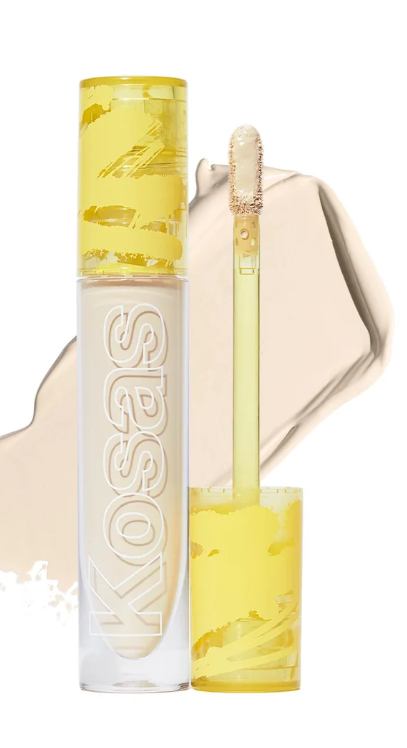
Kosas Revealer Concealer – Best Overall
- a super creamy formula that doubles as an eye cream – my favorite concealer
- available in 38 shades
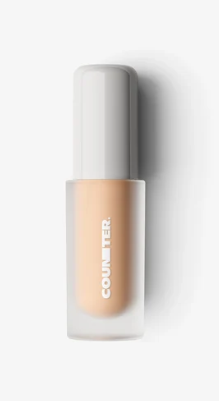
COUNTER Skin Twin Creamy Concealer – Best for Buildable Coverage
- long-wearing and buildable, with a lightweight feel
- available in 20 shades
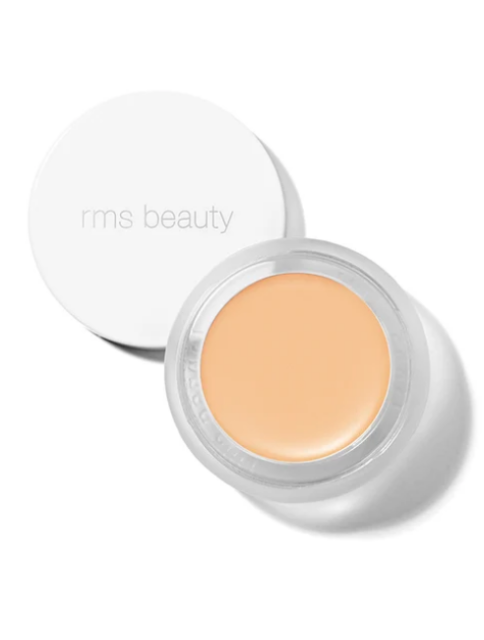
RMS Beauty UnCoverup Concealer – Best Cream Concealer
- perfect for anyone who prefers to dab on a cream concealer
- available in 16 shades
Best Non-Toxic Mascaras
Like most people, I want a mascara that doesn’t clump, flake or smudge. But I also want it to be without ingredients I prefer to avoid, and without sacrificing performance. Fortunately, there are great options to choose from.
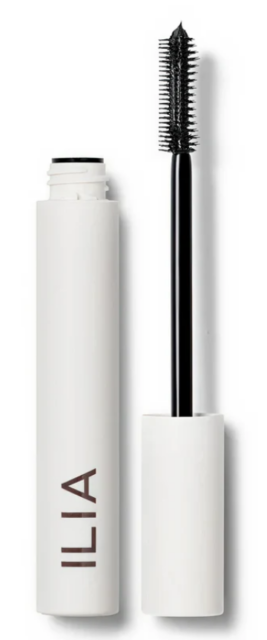
ILIA Limited Lash Mascara – Best Overall
- what can I say – it’s my favorite mascara – and I’m not alone
- dual-sided wand works like a brush and comb
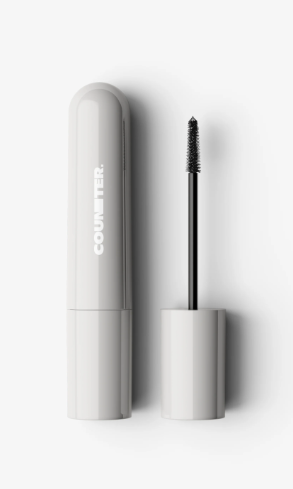
COUNTER Think Big All-in-One Mascara – Best EWG Verified Mascara
- a buildable, non-toxic mascara that works
- EWG-Verified
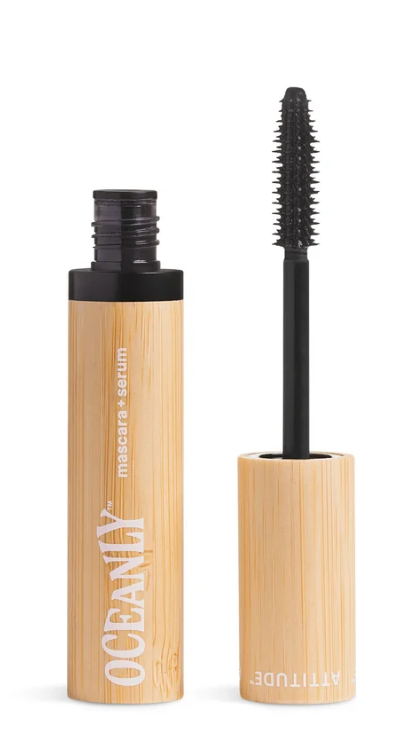
Oceanly Lash Serum Mascara – Best Serum Mascara
- 2-in-1 formula to nourish and add volume to lashes
- EWG-Verified
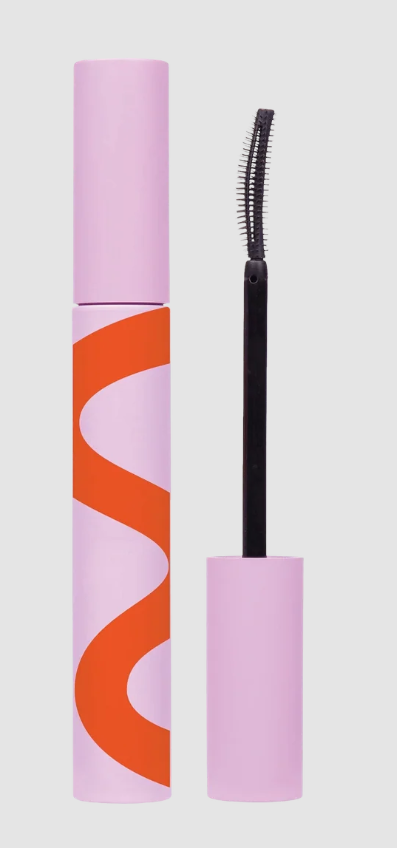
Tower 28 MakeWaves® Mascara – Best for Sensitive Eyes
- marketed for sensitive eyes (I have not personally tried it)
- curved, dual-sided brush
Learn more about Oceanly plastic-free makeup.
Best Non-Toxic Eyeliners
I love a good eyeliner, but it needs to be soft and easy to apply without tugging at the delicate skin around my eyes. These are my picks for smooth application, rich color and defining your eyes without the questionable ingredients.
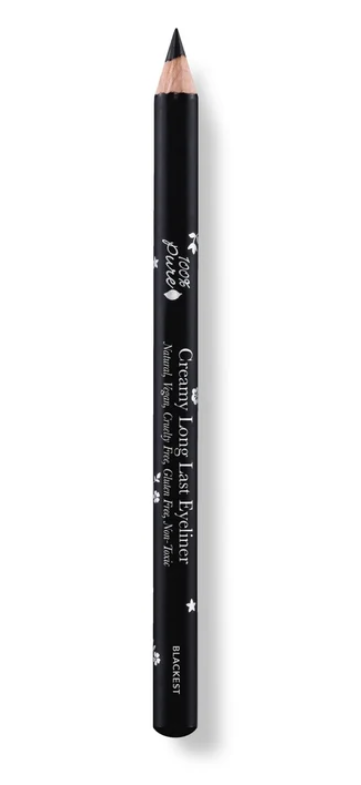
100% PURE Creamy Long Last Liner — Best for Smooth Application
- creamy & long-lasting and made with nourishing ingredients
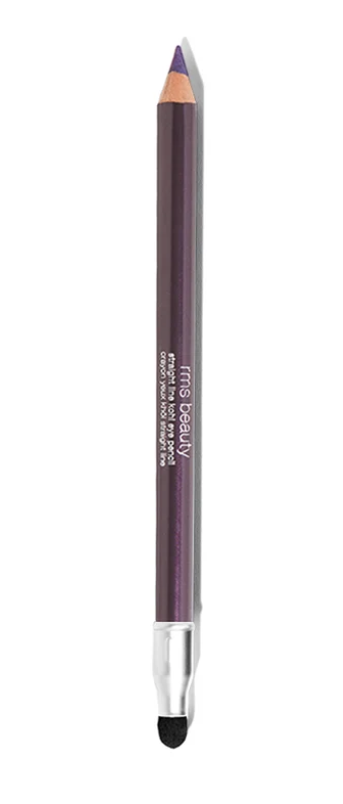
RMS Beauty Straight Line Kohl Eye Pencil — Best for Smoky Eyes
- velvety smooth formula featuring a sponge-tip applicator for blending
- pencil sharpener included
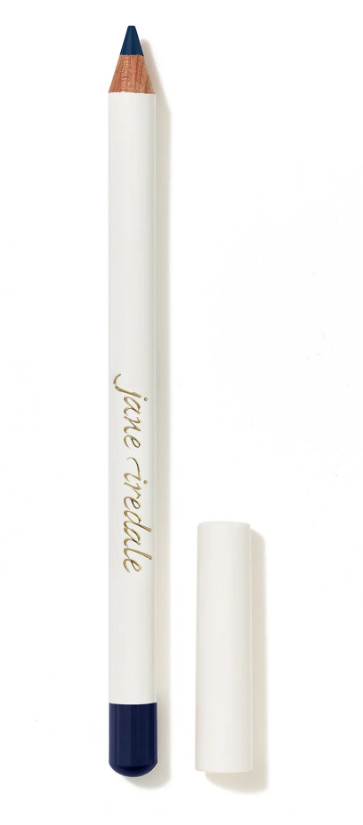
jane iredale Eye Pencil — Best Color Options
- soft pencil that won’t pull on skin
- 6 color options
Best Non-Toxic Eyeshadow
Whether you prefer cream or powder, matte or shimmer, there’s a non-toxic eyeshadow to suit your style. These are my favorite picks for beautiful color, easy application and more mindful ingredients.
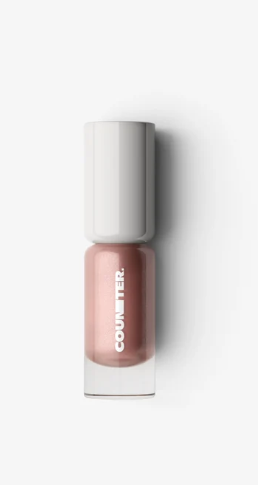
COUNTER Lid Glow Cream Shadow — Best Cream Shadow with Applicator
- a creamy shadow that glides on smoothly with the applicator wand (my go-to eyeshadow!)
- EWG Verified
- 6 color options
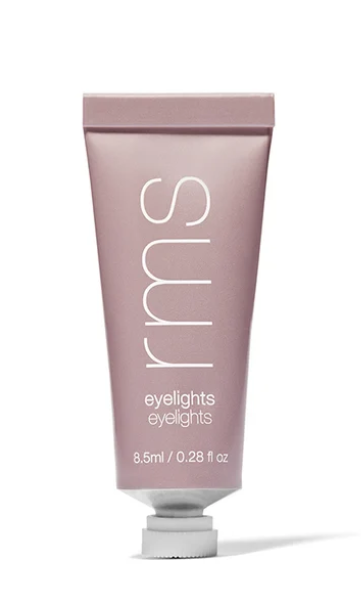
RMS Beauty Eyelights Cream Eyeshadow — Best Long-Wearing Cream Shadow
- a crease-proof, long-lasting cream shadow
- 12 color options
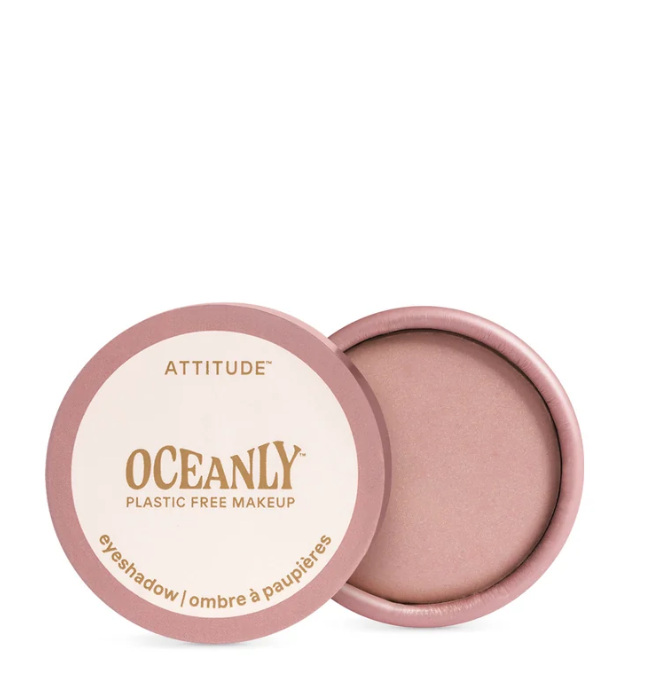
ATTITUDE Oceanly Eyeshadow — Best Plastic-Free Option
- a good fit for anyone who wants to consider packaging alongside ingredients and performance.
- EWG Verified
- 6 color options
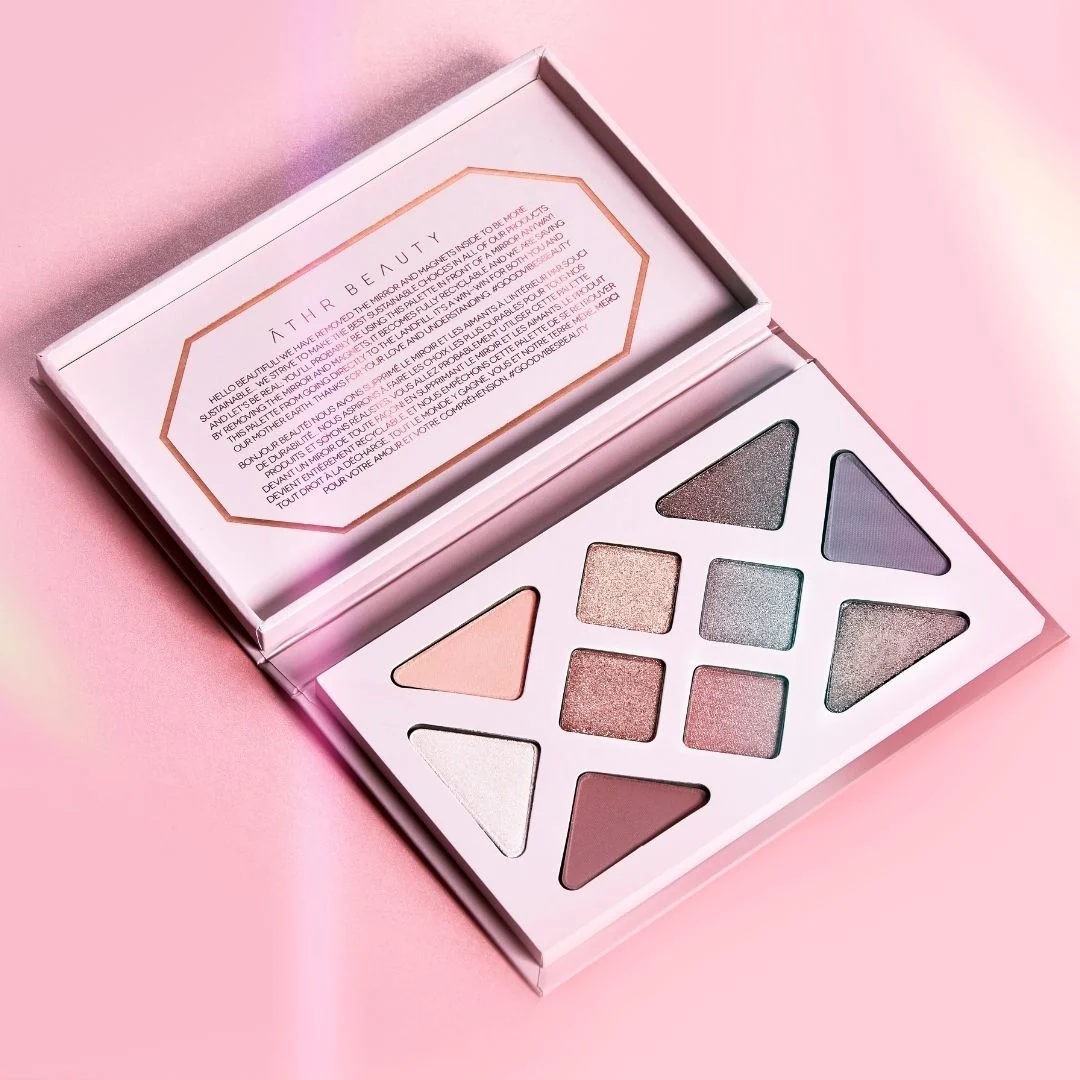
ATHR Beauty Eyeshadow Palette — Best Eyeshadow Palette
- powder eyeshadow in shimmery, glittery and matte shades
- plastic-free palette
Note: One thing I love about COUNTER is that they do third party testing for heavy metals on all of their color cosmetics. I appreciate the peace of mind!
Best Non-Toxic Blush
Whether you prefer a cream or powder blush, there are plenty of options for adding a natural-looking flush of color. I tend to reach for cream formulas, but I’ve included a mineral powder blush, too, so you can choose the texture you like best.
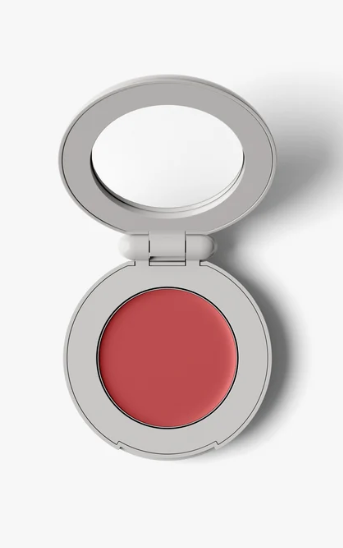
COUNTER Cheeky Clean Cream Blush — Best Overall
- creamy, buildable blush that can be used on lips too
- 5 color options
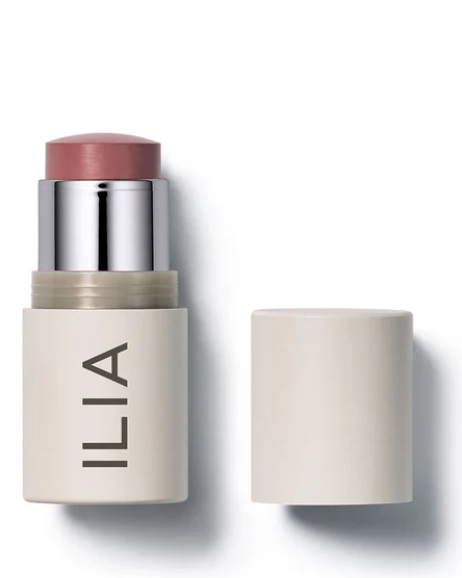
ILIA Multi-Stick — Best Multi-Use Stick
- multi-use formula in a twist-up stick
- 10 color options
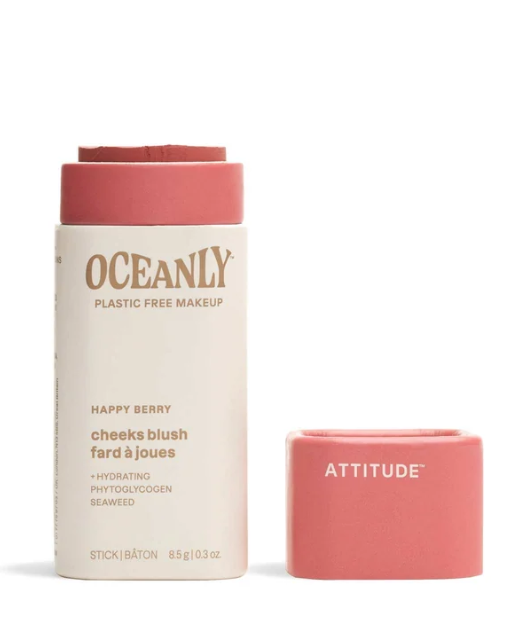
ATTITUDE Oceanly Blush — Best Plastic-Free Option
- hydrating cream blush in a plastic-free package
- 4 color options
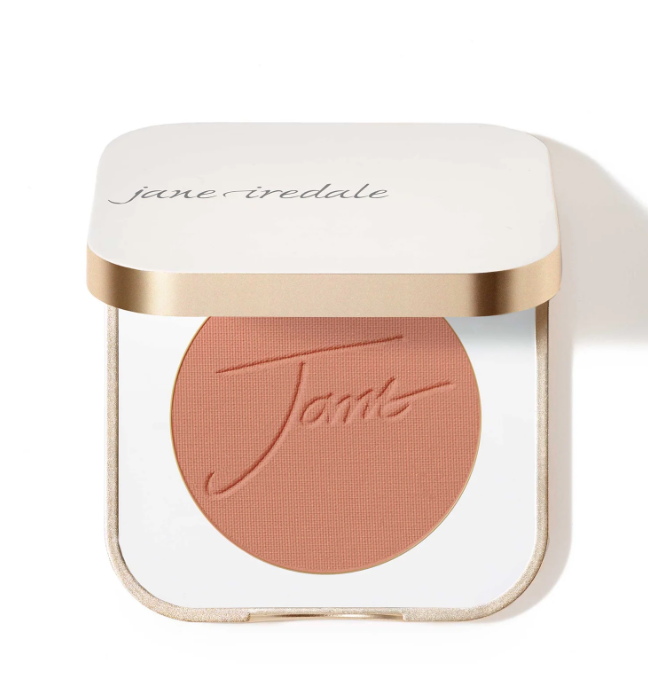
Jane Iredale PurePressed Blush — Best Mineral Powder Blush
- a powder blush that blends like a cream
- 13 color options
Best Non-Toxic Bronzer & Highlighter
Bronzer and highlighter can add warmth, dimension and a healthy-looking glow without requiring a lot of makeup. I don’t wear bronzer very often, but I love a good highlighter! These picks include a cream bronzer and a mix of liquid and stick highlighters to suit different preferences.
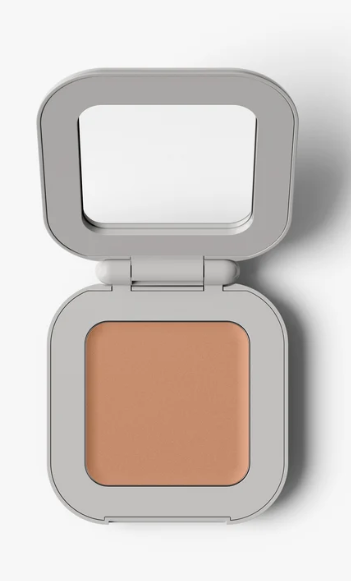
COUNTER Velvet Cream Bronzer — Best Bronzer
- lightweight, long-wearing and buildable color
- 4 color options
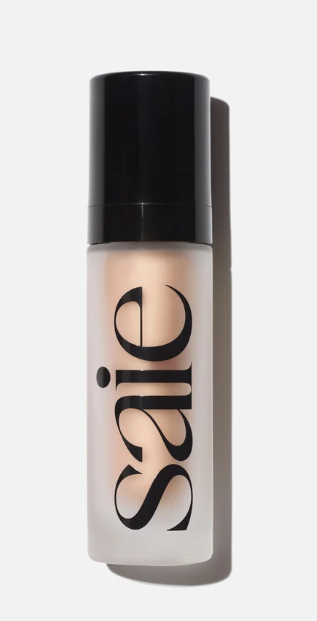
Saie Glowy Super Gel — Best Liquid Highlighter
- a lightweight, glitter-free gel that leaves a beautiful glow (I’m obsessed with this product!)
- 5 color options
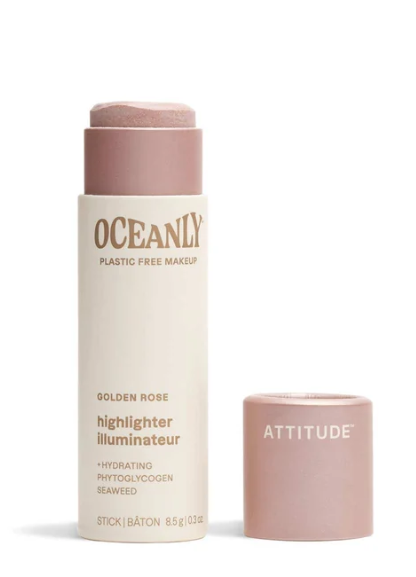
ATTITUDE Oceanly Highlighter — Best Highlighter Stick
- a creamy highlighter stick to give you that no-makeup makeup look
- 2 color options
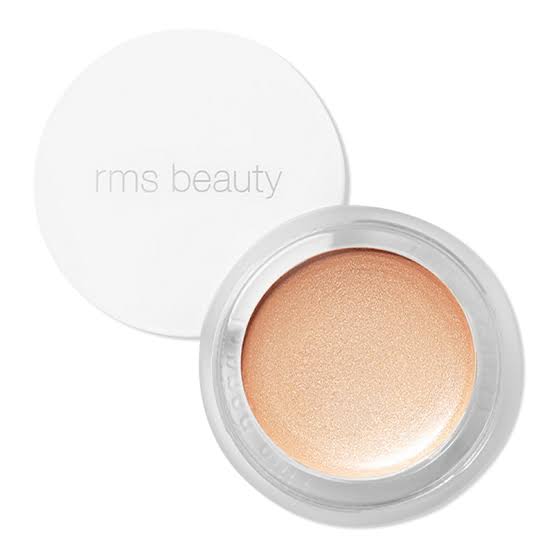
RMS Beauty Luminizer — Best Cream Highlighter
- a nourishing cream luminizer to give a natural glow
- 5 color options
Best Non-Toxic Lipstick & Lip Products
Whether you love a classic lipstick, a sheer wash of color or a glossy lip oil, you have options that combine beautiful color with more mindful ingredient choices. These picks include everything from full-coverage lipstick to plastic-free lip color and a hydrating oil.
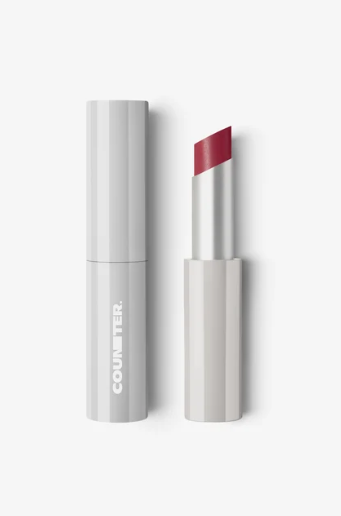
COUNTER Sheer Genius Conditioning Lipstick — Best Overall
- a buildable formula that feels like a balm but provides beautiful color
- 8 color options
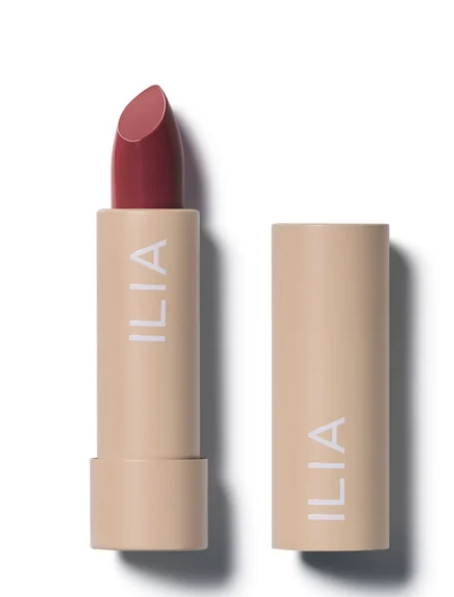
ILIA Color Block Lipstick — Best for Full Coverage
- a full coverage lipstick for full, saturated color
- 8 color options
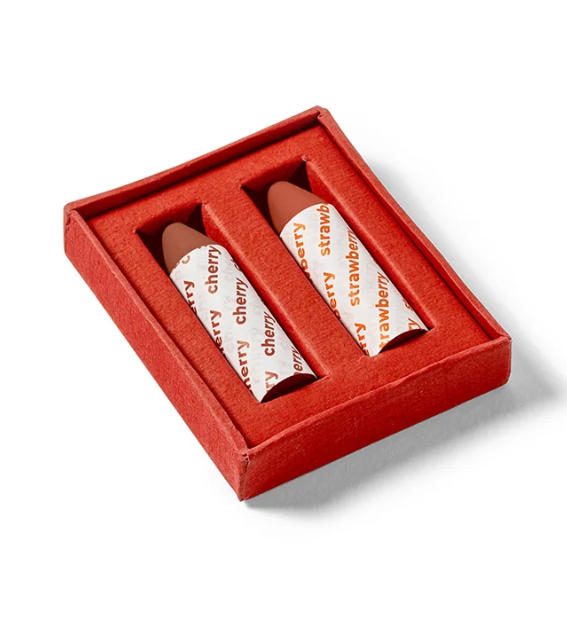
Axiology Balmies — Best Plastic-Free Lip Color
- vegan, multi-use color sticks that offer a low-waste alternative to traditional lipstick packaging
- 10 color options
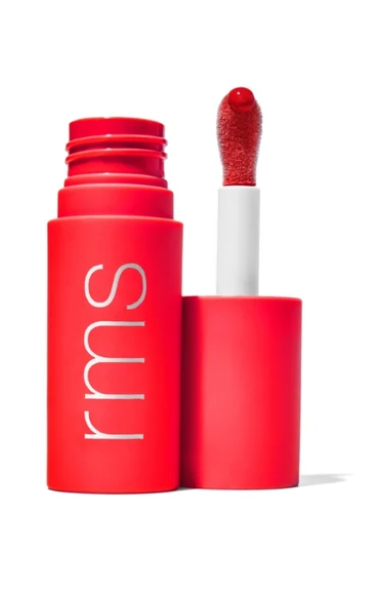
RMS Beauty Legendary Lip Oil — Best Lip Oil
- a nourishing lip oil that adds glossy shine and buildable color without a sticky feel
- 10 color options
For even more suggestions, check out our guide to non-toxic lipstick and lip gloss.
Where to Shop For Non-Toxic Makeup
If you’re looking for makeup with more mindful ingredient standards, several retailers make it easier to find brands that align with your priorities. Each has its own screening criteria, so it’s worth understanding what those standards cover.
- Credo Beauty – Credo has a detailed set of ingredient restrictions known as its Dirty List, which excludes thousands of ingredients and helps guide the products it carries. Its broader clean beauty standards also address areas such as product safety, transparency and sustainability.
- The Detox Market – The Detox Market screens products against its own ingredient standards, including a list of more than 1,500 restricted ingredients. It offers a curated selection of beauty brands chosen to meet its criteria.
- Mindful Momma Amazon Store – My favorite non-toxic cosmetics all in one easy-to-shop storefront.
- Grove Collaborative – A digital marketplace carrying healthier home essentials, including makeup products.
- EarthHero – A zero-waste online marketplace carrying some makeup products.
- Thrive Market – A membership-based digital store that offers a selection of makeup brands.
- Whole Foods Market – Whole Foods has beauty and body care standards that prohibit more than 240 ingredients and ingredient groups in products sold under those standards. It can be a convenient place to find makeup and personal care products that meet its screening requirements.
- Target Clean – Target Clean identifies products that meet Target’s criteria for selected chemicals of concern, including certain parabens and PFAS. Look for the Target Clean designation on product listings, and check the current criteria to understand which ingredients are excluded.
Keep in mind that these retailers use different standards, and their criteria may change over time. A retailer’s ingredient restrictions can be a helpful starting point, but they aren’t the same as independent certification that every product is completely risk-free. I still recommend checking individual ingredients and brand transparency when choosing makeup.
Don’t forget the makeup remover! Instead of relying on disposable makeup wipes or cotton rounds, you can use reusable makeup remover wipes and make a simple makeup remover at home.
Non-Toxic Makeup FAQs
Is clean makeup the same as non-toxic makeup?
Not necessarily. “Clean beauty” and “non-toxic” aren’t standardized terms with one consistent definition across the cosmetics industry. Brands can use them to describe different ingredient standards, so it’s worth looking beyond the label and understanding what a company actually means by its claims.
Is non-toxic makeup regulated by the FDA?
The FDA regulates cosmetics in the United States, but most cosmetics don’t require FDA approval before they’re sold. Companies are responsible for ensuring their products are safe when used as directed and comply with applicable laws. The FDA doesn’t certify products as “clean” or “non-toxic,” so those labels shouldn’t be treated as government safety endorsements. Learn more about how the FDA regulates cosmetics.
Can I tell if makeup is PFAS-free from the ingredient list?
Not with complete certainty. You can check for ingredient names associated with PFAS, such as PTFE and ingredients containing terms like perfluoro- or polyfluoro-. You can also look for a clear PFAS policy from the brand. However, ingredient lists may not reveal unintended contamination, so a label alone can’t guarantee that a product is entirely PFAS-free. Brand transparency and relevant testing can provide additional information. For more details, see my guide to reducing PFAS exposure.
Does natural makeup use safer ingredients?
Not automatically. Ingredients derived from plants or minerals aren’t necessarily safer in every situation, and synthetic ingredients aren’t inherently harmful. Safety depends on the specific ingredient, how much is used, how it’s applied and the available evidence. I focus on the formula as a whole rather than choosing makeup simply because it’s labeled “natural.”
Does non-toxic makeup work as well as conventional makeup?
It can! Many brands offer makeup with a wide range of finishes, coverage levels and wear times. Performance still varies by product, so consider what matters most to you, whether that’s long-lasting color, easy application, a natural finish or comfortable wear. In this guide, I’ve included options for different preferences without losing sight of ingredient transparency.
Is non-toxic makeup better for the environment?
Not necessarily. Ingredient choices are only one part of a product’s environmental impact. Packaging, refill options, sourcing, manufacturing and waste also matter. If sustainability is important to you, look at the whole product rather than assuming that “natural,” “clean” or “non-toxic” automatically means eco-friendly.
What brands of non-toxic makeup have you tried and love? Share your favorites in the comments!