

How to Reduce Your Exposure to Microplastics: Practical Changes That Actually Matter
Concerned about microplastics? Here are the practical changes I recommend to reduce your exposure to microplastics—without trying to eliminate every piece of plastic from your life.
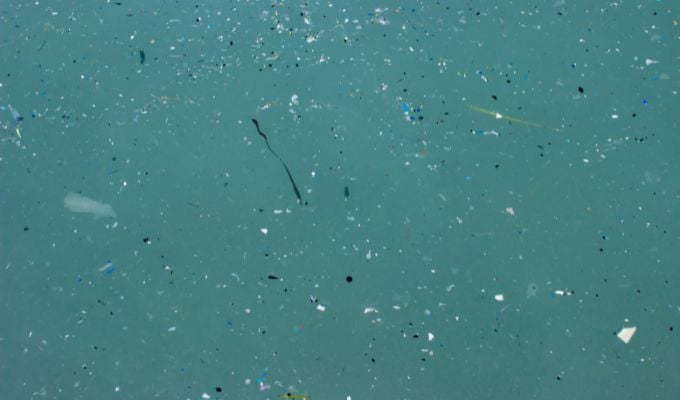
How could something so tiny be such a menace?
Microplastics are tiny pieces of plastic—some smaller than a grain of rice—that are now virtually impossible to avoid. They’re found in our food, drinking water, household dust and even the air we breathe. And while researchers are still working to understand exactly what these particles mean for long-term human health, there are enough concerns to make reducing unnecessary exposure a reasonable goal.
But before you start eyeing every plastic container in your kitchen with suspicion, take a breath. You don’t need to eliminate every piece of plastic from your life to make a difference.
Some sources of microplastic exposure are difficult to avoid, while others are surprisingly easy to reduce with a few everyday changes. The key is knowing where exposure is most likely to occur and focusing your efforts on the changes that make the most practical sense.
In this guide, I’ll break down 10 practical ways to reduce your exposure to microplastics, from how you store and heat your food to the tea bags you use, the water you drink and the textiles in your home. I’ll also help you prioritize the changes that are most worth your time—because when it comes to microplastics, progress is more realistic (and a whole lot less stressful) than perfection.
At Mindful Momma we only endorse products we’ve personally researched, tested, and honestly love. We may receive commissions from affiliate links in this article including Amazon Affiliates. Full Disclosure
What Are Microplastics—and How Are We Exposed to Them?
Before we get into the practical ways to reduce your exposure, it helps to understand what microplastics are, where they come from and why researchers are concerned about their potential effects on our health. Let’s get into it…
What Are Microplastics?
Microplastics are tiny pieces of plastic that measure less than 5 millimeters (about 1/5 of an inch) in size. Some are visible to the naked eye, while others are microscopic. Even smaller particles are called nanoplastics; these are generally considered to be smaller than 1 micrometer (1,000 nanometers), although definitions can vary somewhat among researchers.
Microplastics can be categorized as either primary or secondary. Primary microplastics are manufactured at a small size for a particular purpose, while secondary microplastics form when larger plastic products break down over time.
Think about a plastic bottle, food container, synthetic fleece jacket or piece of plastic packaging. As plastic is exposed to sunlight, heat, weather, friction and other forms of wear and tear, larger pieces can gradually break apart into smaller and smaller particles. These secondary microplastics can eventually make their way into our water, soil, food and air.
And that’s part of what makes microplastics so difficult to avoid: plastic doesn’t simply disappear when we throw it away. It can persist in the environment and gradually break down into smaller particles.
How Are We Exposed to Microplastics?
Microplastics are now widespread in the environment and have been detected in air, water, food and beverages, making human exposure difficult to avoid completely. The World Health Organization has reviewed the evidence on micro- and nanoplastic exposure and notes that we still don’t know exactly how much we’re exposed to or what the long-term health effects may be.
For most people, the primary ways microplastics can enter the body are through ingestion and inhalation. Researchers are also investigating exposure through skin contact, although absorption through intact skin appears to be a less significant route than eating or breathing in particles.
Potential sources of exposure include:
- Food and beverages: Microplastics have been detected in a wide range of foods and drinks, including seafood, salt, fruits and vegetables, meat, grains and processed foods.
- Drinking water: Microplastics can enter both tap water and bottled water from environmental contamination and other sources.
- Plastic food packaging and containers: Plastic packaging and food-contact materials can contribute particles through wear, abrasion and other forms of degradation.
- Food preparation and storage: Cutting, scraping, washing and repeated use can cause some plastic food-contact products to shed particles.
- Tea bags and other food-contact materials: Some tea bags and other products used with hot food or beverages contain plastic or plastic-based materials that may contribute to microplastic exposure.
- Household dust: Microplastic fibers can become part of household dust, including fibers shed from synthetic textiles and other plastic-containing materials.
- Synthetic clothing and textiles: Fabrics such as polyester, nylon and acrylic can shed tiny plastic fibers during washing and everyday use.
- Other sources: Microplastics can also come from sources such as tire wear, personal care products, paints and other plastic-containing materials.
It’s important to put all of this into perspective, though. Finding microplastics in a product or environment doesn’t automatically tell us how much exposure a person receives or whether that exposure causes harm. Researchers are still working to measure real-world exposure and determine which sources and types of particles are most important to human health.
What Are the Potential Health Effects of Microplastics?
This is where the science gets complicated.
Laboratory and animal studies suggest that microplastic exposure may contribute to inflammation, oxidative stress, immune-system changes, and effects on reproductive, digestive and respiratory health. A 2024 systematic review found similar potential health effects, while noting that human research remains limited.
Another area of concern is the chemicals associated with plastics. Plastic products can contain chemical additives, and microplastics may also carry other substances on their surfaces. Scientists are therefore looking at both the potential effects of the particles themselves and the chemicals associated with them.
Micro- and nanoplastics have now been detected in human tissues and biological samples, confirming that exposure is occurring. But we don’t yet know exactly what typical real-world exposure means for long-term human health. Much of the evidence about biological effects still comes from laboratory and animal research, while human epidemiological evidence remains limited. There also isn’t a definitive safe level of exposure for microplastics.
In other words, the most accurate takeaway isn’t that microplastics have been proven to cause a particular disease. It’s that there are legitimate reasons for concern, the research is evolving, and there are still important questions about the health effects of everyday exposure.
That’s why I think it’s reasonable to focus on the things we can control without becoming overwhelmed by the things we can’t.
The good news is that you don’t need to eliminate every piece of plastic from your life to take practical steps to reduce your exposure. Some sources of exposure are difficult to avoid, while others are relatively easy to address through everyday choices. The goal isn’t perfection—it’s identifying the changes that are practical, worthwhile and sustainable for your life.
If you want to reduce the amount of plastic you use overall—for both environmental reasons as well as personal health—see my guide to easy ways to reduce plastic use in daily life. It covers practical swaps for the grocery store, kitchen, bathroom and more.
10 Practical Ways to Reduce Your Exposure to Microplastics
You don’t need to make all of these changes at once. Here are the practical swaps I think are most worth considering if you want to reduce your everyday exposure to microplastics.
1. Don’t Heat Food in Plastic
I’ve been preaching about this one for years: DON’T MICROWAVE PLASTIC!!
Heat can cause plastic to break down and can increase the release—or migration—of plastic particles and chemicals into food and beverages. While the amount released can vary depending on the type of plastic, temperature, food and length of contact, there’s really no good reason to heat your food in plastic when safer alternatives are readily available.
A few simple ways to reduce your exposure:
- Skip microwave meals and heat-in-the-bag foods whenever possible, or transfer the food to a glass or ceramic dish before heating.
- Don’t put hot food or liquids into plastic containers. Let them cool first, then transfer them to plastic if needed.
- Keep plastic out of the dishwasher when you can. The combination of high heat and repeated washing can contribute to plastic degradation and may increase particle shedding over time.
- Use glass, ceramic or stainless steel for heating and storing hot foods and beverages.
And you don’t need to throw away every plastic container in your kitchen. If you have plastic food-storage containers you still use, the simplest change is to keep them away from heat.
2. Switch to Safer Materials for Food Storage
Honestly, this one is easier than you think.
You don’t have to replace all of your plastic food-storage containers at once. A simple approach is to stop using plastic for hot foods and gradually replace your most-used containers as they wear out.
These days, glass, stainless steel and silicone food-storage containers are affordable and easy to find in a wide range of sizes and styles. Glass is my go-to for refrigerator storage because it’s durable, easy to clean and doesn’t absorb food odors or stains. It’s also a great choice for freezer storage—just make sure the container is specifically designed for freezing and leave room for food to expand.
Stainless steel is another excellent option, especially for refrigerator storage and lunches or on-the-go meals. For the freezer, flexible silicone bags and containers can be particularly handy because they take up less space and won’t shatter if dropped.
If you’re ready to start replacing plastic, you don’t need to buy a whole new collection. Start with the containers you use most often, and replace them gradually as they wear out.
👉 Looking for more plastic-free food storage ideas? Check out my guide to 10 Plastic-Free Food Storage Swaps, including practical alternatives for everything from leftovers to sandwiches and freezer storage.
3. Limit Plastic Food Packaging When You Can
The food we buy can be a surprising source of microplastics. So much of what we bring home from the grocery store comes wrapped, sealed or packaged in plastic—and even fresh produce often ends up in a plastic bag or container.
You don’t have to avoid every food packaged in plastic, but when you have a choice, choosing less plastic is a simple way to reduce potential exposure.
Here are a few easy swaps:
- Choose foods packaged in glass or metal when practical. Think glass jars instead of plastic tubs or canned foods instead of plastic pouches.
- Look for paper or cardboard packaging, while keeping in mind that some paper packaging may have plastic coatings or liners.
- Buy from bulk bins when available. Bring your own reusable bags or containers and skip some of the individual plastic packaging. Learn how to shop the bulk bins.
- Choose fresh foods that aren’t packaged in plastic when you have the option.
Of course, plastic packaging is sometimes the most practical or affordable choice—and that’s okay. The goal isn’t to scrutinize every package in your grocery cart. Instead, look for easy opportunities to choose less plastic when the alternatives are readily available.
For more ideas, check out my guide to plastic-free grocery shopping, where I share practical ways to reduce plastic throughout your grocery trip.
4. Choose Plastic-Free Tea Bags
Tea drinkers beware: there may be microplastics lurking in your tea bags.
Some tea bags contain plastic fibers or are made with plastic-based materials such as polypropylene or nylon. These materials can help tea bags hold their shape or seal properly, but they can also contribute plastic particles when the bag is exposed to hot water.
And don’t assume that a tea bag labeled “paper” is automatically plastic-free. Some paper tea bags contain plastic fibers or a plastic seal, while others may be made with a blend of paper and plastic materials.
If you drink tea regularly, one of the easiest ways to reduce potential microplastic exposure is to choose tea bags that are specifically made without plastic. Another option is to skip the bags altogether and brew loose-leaf tea using a stainless steel or other non-plastic tea infuser.
If you’re a serious tea drinker, this is a swap worth making because it’s something you may do every day.
👉 Want to find tea bags without plastic? I’ve rounded up plastic-free tea bags and tea brands that meet my ingredient and sustainability standards.
5. Pay Attention to Your Drinking Water
Bottled water is one of the easiest sources of microplastic exposure to address. Studies have found microplastics in bottled water, with some research suggesting bottled water can contain more plastic particles than tap water. Choosing tap water when it’s safe to drink is a simple way to reduce potential exposure—and cut down on single-use plastic at the same time.
Tap water isn’t necessarily microplastic-free, but a good water filter can provide an additional layer of protection. Some filters can remove or reduce microplastic particles, although effectiveness depends on the type of filter and particle size.
👉 Not sure which water filter is right for you? Check out my guide to How to Choose a Tap Water Filter, where I explain the different types of filters and what to look for.
And if you’re also concerned about PFAS in your drinking water and everyday products, here’s my guide to reducing PFAS exposure.
6. Choose a Reusable Bottle with a Non-Plastic Interior
If you’re carrying water with you throughout the day, choose a bottle made from stainless steel or glass rather than plastic. The goal isn’t to find a bottle that’s completely plastic-free—many well-designed bottles have plastic lids, seals or other components that don’t come into direct contact with your water.
Stainless steel is durable, lightweight and a great choice for everyday use, while glass is a good option if you prefer to avoid plastic altogether where your water is stored. Whichever you choose, look for a bottle with a stainless steel or glass interior.
This is an easy swap to make when you’re replacing a worn-out water bottle—no need to toss the one you already have.
7. Replace Plastic Wrap and Plastic Bags
Your plastic-wrap habit may be a little harder to break, but it is very doable with the right equipment and mindset. Silicone food-storage bags, reusable containers and beeswax wraps can handle most of the jobs you currently use plastic wrap or disposable bags for. Beeswax wraps are another option for covering bowls, wrapping sandwiches or storing certain foods.
And sometimes the simplest solution is the best one: cover a bowl or dish with a plate or even a clean dishtowel instead of reaching for plastic wrap. You don’t need a fancy replacement for every use—just a few go-to alternatives that work for your everyday routine.
Ready to ditch the plastic wrap? Check out my guide to Alternatives to Plastic Wrap for more practical swaps and ideas.
8. Choose Natural Fibers for Clothing and Textiles
Believe it or not, your clothing can be a source of microplastics because so many fabrics are made from synthetic fibers that shed over time. Polyester, nylon and acrylic are synthetic plastic fibers, and fleece is commonly made from polyester. Tiny microplastic fibers can be released as these fabrics are worn and washed.
When you’re buying new clothing, bedding or other textiles, consider choosing natural fibers such as organic cotton, linen, hemp or wool instead. You don’t need to clean out your closet and replace everything you own—simply choosing natural fibers when it’s time to buy something new can gradually reduce your reliance on synthetic textiles.
Looking for natural fiber options? Check out my guides to Natural Fiber Clothing and Organic Bedding.
9. Reduce Microplastics in Household Dust
Dust isn’t just annoying, it’s a source of microplastics in your home. Microplastics can accumulate in household dust from a variety of sources, including synthetic fabrics, plastic-containing household products, and particles that enter your home from outdoors. Polyester, nylon, acrylic and other synthetic fibers can shed tiny plastic fibers as clothing, bedding, rugs and upholstery are worn and washed. Other sources can include the breakdown and wear of plastic items, household materials and coatings, as well as particles tracked indoors from outside.
You don’t need to obsess over every speck of dust, but regular cleaning can help keep dust—and the microplastics it may contain—from building up. Vacuum floors, rugs and upholstered furniture regularly, preferably with a vacuum that has a HEPA filter, and use a damp cotton or other washable cloth for dusting rather than simply stirring dust into the air. Washing bedding and other textiles regularly can also help remove accumulated fibers.
And don’t forget about ventilation and fresh air. Opening windows when weather and air quality allow can help improve indoor air circulation and reduce the buildup of indoor pollutants. For more simple ways to freshen your indoor environment, check out my guide to Top Ways to Air Out Your Home for Spring.
10. Be Mindful of Plastic When Eating Out
Takeout food is an especially tricky source of microplastics because most food comes packaged in plastic containers. When you have a choice, avoid putting hot, greasy or acidic foods in plastic containers, or consider transferring takeout to a glass or ceramic dish once you get home. When ordering, you can also look for restaurants that use paper, cardboard, glass or other non-plastic food containers when available.
If you’re dining in, skip plastic utensils, cups and other food-contact items when you can and choose reusable options instead. You don’t need to worry about every plastic item that touches your food, but being mindful of situations where hot food is sitting in plastic for an extended period is a simple way to reduce unnecessary exposure.
Reducing single-use plastics can help lower your overall plastic footprint, but it isn’t necessary to eliminate every plastic item in your home. If you’d like practical ideas for using less plastic in your everyday life, see my guide to easy ways to reduce plastic use in daily life.
What About BPA, PFAS and Other Chemicals in Plastic?
Microplastic particles aren’t the only problem with plastic. Plastic products can contain additives and other chemicals that may be released as the material breaks down or comes into contact with food, water or our bodies. Some of these chemicals have been studied because of their potential effects on hormones, reproduction, development or other aspects of human health.
BPA (bisphenol A) is a chemical historically used to make certain plastics and epoxy resins, including some food and beverage containers and can linings. Because BPA can mimic or interfere with hormones, many manufacturers have moved away from it, although “BPA-free” doesn’t necessarily mean chemical-free—some products use other bisphenols that may have similar concerns.
PFAS (per- and polyfluoroalkyl substances) are a large class of highly persistent chemicals used for properties such as grease, water and stain resistance. They’re found in some food packaging and other consumer products and are a separate concern from microplastics themselves.
The bottom line? Reducing your exposure to plastic can potentially reduce your exposure to both plastic particles and some of the chemicals associated with plastics. You don’t need to eliminate every plastic item from your life, but choosing safer materials for food storage, avoiding heat and minimizing unnecessary contact with plastic are practical steps that make sense.
Which Changes Make the Biggest Difference?
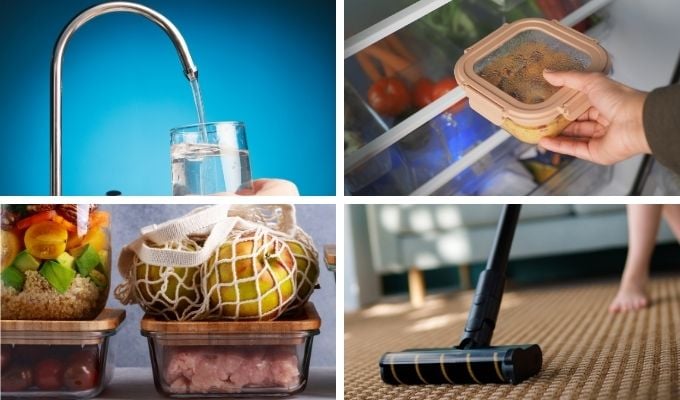
You don’t need to make all 10 changes at once. If you’re looking for the biggest opportunities to reduce your exposure, I’d start with the changes that involve heat, food and beverages coming into contact with plastic, and products you use repeatedly.
If you only do 5 things:
- Don’t heat food in plastic.
- Reduce reliance on bottled water.
- Store hot food and leftovers in glass/stainless steel.
- Vacuum and dust regularly to reduce household dust.
- Reduce plastic food packaging where practical.
Once you’ve tackled those five, these are some additional changes worth considering:
Nice-to-do changes
- Choose natural-fiber clothing and textiles when buying new.
- Choose plastic-free tea bags or loose-leaf tea.
- Reduce disposable plastic items when eating out and on the go.
If you are concerned about microplastics and aren’t sure your lifestyle changes will help enough, you might want to consider taking a supplement that helps to remove microplastics from our bodies. Sifts uses Chitosan, a dietary fiber that has been clinically shown to bind to microplastics and showed a 47% increase in microplastic elimination in study participants. It’s that extra bit of reassurance that you’re doing all you can to reduce the impact of microplastics! If you want to try Sifts, you can use code MINDFUL15 for 15% off your first order!
What We Still Don’t Know About Microplastics
The science around microplastics is developing quickly, and there are still major questions about how much exposure people actually get from different sources and what happens after those particles enter the body. Researchers are still working to understand how much is absorbed versus eliminated, and whether the health effects vary depending on the size, shape, chemical makeup and type of plastic particle.
There’s also a lot we don’t yet know about nanoplastics, which are even smaller than microplastics and may behave differently in the body. Scientists are studying which exposure routes—such as food, drinking water, inhalation or household dust—contribute most to our overall exposure, but there isn’t yet a clear answer. And while reducing exposure to a particular source may seem like a sensible step, we don’t yet know whether reducing any one source produces a meaningful long-term health benefit.
That’s why I think it’s important to take a practical, balanced approach—which is what I always recommend here at Mindful Momma. You don’t need to panic about every piece of plastic in your life or try to eliminate all possible exposure. Instead, focus on the simple changes that make sense for you, especially those that are easy to maintain over time.
FAQs About Reducing Microplastic Exposure
What is the easiest way to reduce microplastic exposure?
One of the simplest steps is to avoid heating food in plastic. Transfer food to a glass or ceramic container before microwaving, and use glass or stainless steel for storing hot foods and leftovers. Other easy changes include choosing plastic-free tea bags, drinking tap water when it’s safe to do so, and gradually replacing plastic food-storage containers with glass or stainless steel.
Does heating food in plastic release microplastics?
It can. Heat can increase the release of plastic particles and other chemicals from some food containers, although the amount varies depending on the type of plastic, temperature, food and length of contact. To minimize potential exposure, transfer food to glass or ceramic before heating and avoid putting hot food or liquids into plastic containers.
Does bottled water contain more microplastics than tap water?
Some studies have found higher levels of plastic particles in bottled water than in tap water, although the amount can vary considerably between products and studies. Tap water isn’t necessarily free of microplastics, but choosing tap water when it’s safe to drink can help reduce your reliance on single-use plastic bottles and may reduce exposure as well.
Do water filters remove microplastics?
Some water filters can reduce or remove microplastic particles, but effectiveness depends on the type of filter and the size of the particles. If reducing microplastics is one of your goals, look for a filter specifically tested for particulate or microplastic reduction rather than assuming every water filter will remove them.
Are tea bags a source of microplastics?
Some tea bags contain plastic fibers or plastic-based materials such as polypropylene or nylon, which may contribute plastic particles when exposed to hot water. A paper tea bag isn’t necessarily plastic-free, so look for brands that specifically state their tea bags are made without plastic—or choose loose-leaf tea with a stainless steel infuser.
Are glass containers better than plastic for reducing microplastics?
Glass is a good choice if your goal is to minimize contact between food and plastic. It can be especially useful for storing and reheating food because it provides a non-plastic surface for food contact. You don’t need to throw away every plastic container you own, though. A practical approach is to stop using plastic for hot foods and gradually replace your most-used containers with glass, stainless steel or other alternatives as needed.
What have you done to reduce your exposure to microplastics? Let us know in the comments!