

Sustainable Shoe Brands That Are Ethically Made & Eco-Friendly
Discover the best sustainable shoe brands making ethical, eco-friendly shoes with responsibly sourced materials, fair labor practices and more.

It’s hard to think of a more important wardrobe staple than shoes. We rely on our shoes to get to work, the grocery store and the dog park. Our shoes come along on exciting vacations, fun parties, and trips to the beach.
But how often do you think about where your shoes come from? Are your shoes made from sustainable materials? Are the factory workers paid fair wages? What is the environmental impact of your shoes, and what happens to them after their useful life?
The truth is, your shoes can have a big impact on the world – both from a social and human rights perspective and on the environment. So if you want to be a conscious consumer, choosing ethical, sustainable and eco-friendly shoes is a great place to start! I’ve rounded up some of the best sustainable shoe brands that are making an effort to do better for people and the planet.

Why Buy Sustainable Shoes?
What does it mean for shoes to be sustainable, and why does it even matter? The fashion and footwear industries have a significant impact on the environment and the people who make our clothes and shoes. Here are a few not-so-fun facts that help explain why making more responsible footwear choices matters:
- The fashion industry is responsible for up to 10% of the world’s carbon footprint (and footwear is about 1/5th of that total). (source)
- A typical pair of running shoes generates 30 pounds of carbon dioxide emissions (equivalent to keeping a 100-watt light bulb on for one week) (source)
- Less than 2% of the people making clothing and shoes around the world are paid a living wage (and 75% of those are women between the ages of 18 to 24). (source)
- Shoes are made from a variety of materials, making it very hard for them to be disassembled for recycling. (a sneaker could be made of 30 individual materials, and a hiking boot may require 100 materials) (source)
For a deeper look at the human rights issues behind the fashion industry, I recommend watching The True Cost.
Interested in sustainable clothing too? We’ve got a great guide for that!
At Mindful Momma we only endorse products we’ve personally researched, tested, and honestly love. We may receive commissions from affiliate links in this article including Amazon Affiliates. Full Disclosure
What Makes a Shoe Sustainable?
Not all shoes are created equal when it comes to their impact on people and the planet. While no shoe is completely impact-free, there are several things to look for when shopping for more sustainable footwear.
Here are some of the factors I consider when evaluating sustainable shoe brands:
- Sustainable materials: Look for shoes made with organic cotton, hemp, responsibly sourced wool or leather, natural rubber, recycled materials, and other lower-impact alternatives.
- Ethical manufacturing: Brands should prioritize fair wages, safe working conditions, and responsible labor practices throughout their supply chains.
- Quality and durability: A well-made pair of shoes that lasts for years is generally a better choice than footwear that needs frequent replacing.
- Transparency: Look for brands that share information about where their materials come from, where their shoes are manufactured, and the steps they’re taking to reduce their environmental and social impact.
- Waste reduction: Consider whether a brand uses recycled materials, minimizes packaging, offers repair options, or has programs to reuse or recycle old shoes.
It’s also worth remembering that a shoe isn’t automatically sustainable just because it’s made from natural or recycled materials. The manufacturing process, working conditions, quality, and overall environmental impact all matter.
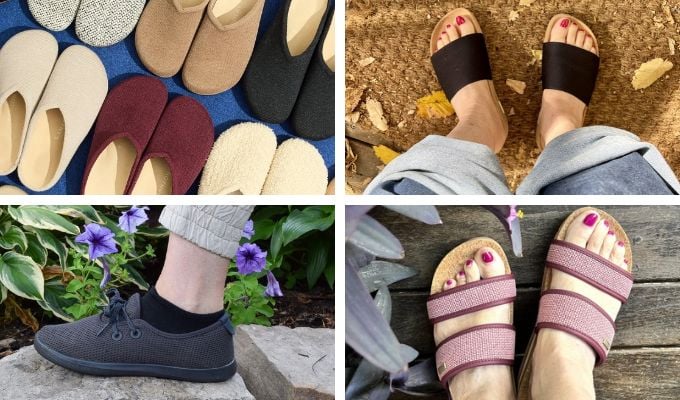
10 Top Sustainable Shoe Brands
So next time you are in the market for a new pair of shoes, whether it’s everyday sneakers, fun sandals or some killer boots, be sure to check out these ethical shoe brands that I’ve rounded up for you. They all have some major eco-cred as well as ethical standards and certifications.
Here are my favorite sustainable shoe brands for women and men:

Best Sustainable Sneakers: Allbirds
Allbirds is best known for lightweight, breathable sneakers and shoes made from sustainable, natural materials.
- Sustainability Highlights: They replace petroleum-based synthetics with natural alternatives wherever they can.
- Materials Used: Shoe uppers made from FSC-certified tree fiber or merino wool, foam made from responsibly sourced sugarcane, shoelaces made from recycled plastic water bottles.
- Certifications: Certified B Corporation
- Based In: San Francisco, CA (with roots in New Zealand)
- Manufactured In: Factories in Vietnam, South Korea and China
- Best For: Everyday sneakers
- Favorite Product: Tree Runner
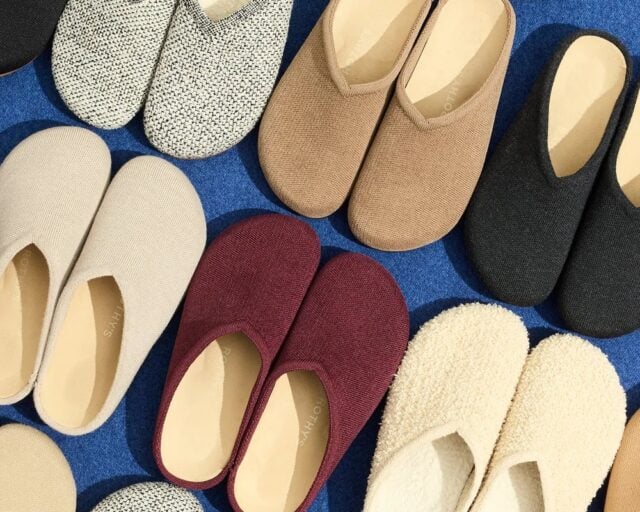
Best Washable Shoes Made from Recycled Materials: Rothy’s
Rothy’s specializes in washable shoes made from recycled materials. Every pair is designed to be machine washable and made to last. No fast fashion here!
- Sustainability Highlights: Customers can return worn shoes or bags to a Rothy’s retail store to be disassembled, shredded, and processed into new materials, in exchange for a $20 credit.
- If you are looking for vegan shoes, Rothy’s are it (except for the merino wool collection)
- Materials Used: Fabric from recycled plastic bottles, foam made from algae, natural rubber soles, bio-based PU
- Certifications: None
- Based In: San Francisco
- Manufactured In: Fully owned and operated factory in Dongguan, China
- Best For: Casual flats
- Favorite Product: I’ve got my eye on a pair of Casual Clogs to wear around the house
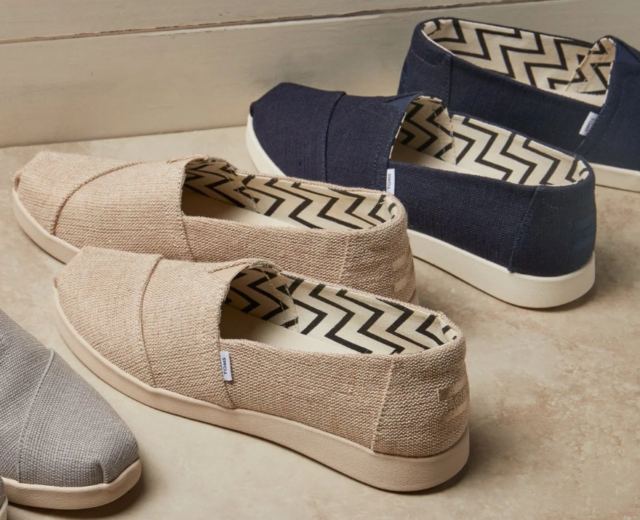
Best Shoes That Give Back: TOMS
TOMS was founded with a one-for-one giving model and continues to incorporate social impact into its business.
- Sustainability Highlights: The earthwise™ collection is produced using a minimum percentage of sustainable materials.
- Materials Used: Organic cotton, recycled cotton, jute, linen, recycled polyester, TENCEL™, recycled PU foam
- Certifications: Certified B Corporation, Leather Working Group, Canopy
- Based In: Los Angeles
- Manufactured In: China and Vietnam
- Best For: Comfy slip-ons
- Favorite Product: I’ve got my eyes on a pair of their classic Alpargatas
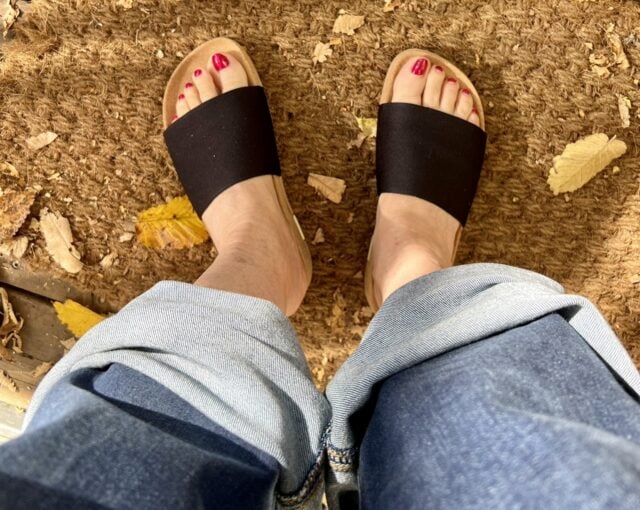
Best Comfy Eco-Friendly Slides: Message Footwear
Message Footwear specializes in footwear that actually feels good. Both the hugflex™ upper and the barecork™ footbed are designed to be the sweet spot between a barefoot feel and real support. Natural cork resists impact, sweat, odor, and water.
- Sustainability Highlights: Cork is sourced from responsibly managed cork forests in Portugal and production is carbon-negative.
- Materials Used: Upcycled wine cork and natural rubber for the base and a compression stretch-knit for the upper.
- Certifications: PETA-Approved Vegan
- Based In: Berkeley, CA
- Manufactured In: Portugal
- Best For: Slides
- Favorite Product: Mullen Slides

Best Fashionable Sustainable Footwear: Quince
Quince offers affordable footwear styles made with materials such as leather, cork, shearling and organic cotton. The company says it works with factories that prioritize responsible production, safe working conditions and waste reduction. As with any brand, I recommend looking at the materials and sourcing information for the specific shoes you’re considering, as not all shoes are sustainably made.
- Sustainability Highlights: Quince partners with factories that are dedicated to responsible, ethical manufacturing and are committed to sustainable sourcing and waste reduction.
- Materials Used: Leather made in tanneries certified by the Leather Working Group, natural cork, Australian shearling, organic cotton canvas & more
- Certifications: BSCI (Business Social Compliance Initiative) certified factories, STANDARD 100 by OEKO-TEX (on some shoes)
- Based In: San Francisco, CA
- Manufactured In: Factories in China and India
- Best For: Flats, slippers and sandals
- Favorite Product: Nappa Leather Double Buckle Slide
- P.S. Quince sweaters are amazing too and check out my other Quince favorites!

Best Sustainable Beach Shoes: REEF
REEF was founded by two brothers who love to surf and are dedicated to protecting the beach, ocean and coral reefs. Their supremely comfortable sandals and shoes are crafted using natural materials and selected styles use eco-foam derived from renewable sugar cane.
- Sustainability Highlights: Emphasis on a combination of natural and eco-friendly materials. Ongoing partnerships with beach and ocean conservation groups.
- Materials Used: natural cork, cotton, jute, responsibly sourced leather, eco-foam
- Certifications: none
- Based In: Encinitas, CA
- Manufactured In: Shoes and sandals are crafted in Asia, including China, Vietnam, and Cambodia.
- Best For: Sandals
- Favorite Product: Cushion Vista Hi

Best Ethical Leather Boots & Shoes: Nisolo
Nisolo makes ethically produced leather shoes and boots using a sustainability framework that is transparent and accountable for their impact on people and the planet.
- Sustainability Highlights: The company is a member of the Leather Working Group which states that their tanneries undergo rigorous, third-party annual audits.
- Materials Used: Leather Working Group certified leather
- Certifications: Leather Working Group Certified
- Based In: Nashville, TN
- Manufactured In: Their own factories in Trujillo, Peru and ethical partner factories in León, Mexico
- Best For: Boots, flats and sandals
- Favorite Product: Everyday Chelsea Boot

Best Sustainable Winter Boots: Icebug
Icebug’s goal is to save the world from slipping with their studded boots and shoes. Icebug footwear uses BUGrip technology, which integrates steel studs into a rubber sole to provide the best possible traction.
- Sustainability Highlights: Sustainability is built into their business model, from materials to transportation and every aspect of their company.
- Materials Used: Recycled polyester, natural rubber, BLOOM® foam (made from algae), recycled plastic
- Certifications: Certified B Corporation, many materials are bluesign® or Öko-Tex certified
- Based In: Göteborg, Sweden
- Manufactured In: Vietnam and China
- Best For: Winter boots
- Favorite Product: Icebug Winter Boots

Best Minimal Shoes: Wildling
Wildling makes ultrathin, minimal shoes that conform to the shape of the foot.
- Sustainability Highlights: The Wildling company is dedicated to sustainability from all sides of the business, with a focus on regeneration.
- Materials Used: responsibly sourced cotton, hemp, wool and even paper
- Certifications: none
- Based In: Germany
- Manufactured In: Portugal, Vietnam and Italy
- Best For: minimal shoes
- Favorite Product: Cahor (made from a cotton-hemp blend, and dyed with Earthcolor®️ natural dyes)
RELATED: Ethically Made Pajamas

Best Sustainable Clogs: Haflinger
The company was founded using natural materials such as reeled wool from their own production, and flexible cork-latex footbeds, and traditional craftsmanship.
- Sustainability Highlights: Dedication to using only high quality, natural materials for their products.
- Materials Used: 100% wool felt upper, cork-latex arch supports and footbeds, wool felt insole liners
- Certifications: Woolmark – guarantees that the product is made of 100% pure new wool and signifies the quality of wool used.
- Based In: Goslar, Germany
- Manufactured In: Germany
- Best For: Clogs and slippers
- Favorite Product: Classic Grizzly Clog

How to Identify Ethical and Sustainable Shoe Brands
A company that is committed to environmental and social responsibility should be transparent about its sourcing, manufacturing practices, and treatment of workers. Certifications and third-party standards can help you evaluate a brand’s efforts and provide additional accountability throughout its supply chain.
Keep in mind that certifications don’t all measure the same things. Some assess a company’s overall social and environmental practices, while others focus on specific materials, manufacturing processes, labor standards, or chemical safety. Here are a few certifications and standards worth knowing when shopping for ethical and sustainable shoes:
- Certified B Corporation – B Corps are for-profit companies certified by the nonprofit B Lab for meeting standards of social and environmental performance, accountability, and transparency. This is a company-level certification, not a certification of individual shoes.
- Bluesign® – The bluesign system focuses on safer and more responsible textile manufacturing. It evaluates factors such as chemical management, resource use, environmental impact, and worker safety. A brand’s partnership with bluesign doesn’t necessarily mean every product it sells is bluesign-approved.
- Fair Trade Certified™ – Fair Trade certification helps ensure that qualifying products and supply chains meet specific social, economic, and environmental standards designed to support the workers and producers who make them. Look for products or materials that specifically carry the certification.
- Leather Working Group (LWG) – LWG audits leather manufacturers and tanneries for their environmental practices, including areas such as water use, energy consumption, chemical management, and waste. An LWG-certified tannery doesn’t mean the entire shoe or footwear brand is certified sustainable.
- OEKO-TEX® STANDARD 100: This certification means that a textile product and its components have been tested for harmful substances. It’s useful when you’re interested in chemical safety, but it isn’t a guarantee that a shoe is completely non-toxic or environmentally sustainable.
- PETA Approved Vegan – This designation identifies products made without animal-derived materials or ingredients. It’s a helpful label if you’re looking for vegan shoes, but it doesn’t evaluate the environmental impact, durability, or overall sustainability of the footwear.
Besides certifications, you can also check a company’s website for information about its sourcing, manufacturing partners, labor policies, and other sustainability initiatives. Look for specific details and measurable progress rather than relying on broad claims like “eco-friendly” or “consciously made.”
RELATED: The Best Affordable, Sustainable Clothing Brands to Try Now

Sustainable Materials Used in Shoes
One of the things to look at when shopping for sustainable shoes is the materials used to make them. Many eco-friendly shoe brands are finding creative ways to use natural, responsibly sourced, recycled and bio-based materials to reduce their environmental impact.
Of course, natural materials aren’t automatically more sustainable. How they’re grown, harvested, processed and manufactured matters, too. For example, leather has a different environmental footprint than organic cotton or hemp, so it’s important to look at the bigger picture rather than focusing on one material alone.
Here are some of the materials you’ll commonly find in sustainable footwear:
Natural and Responsibly Sourced Materials
- organic cotton (or sustainably produced, conventional cotton)
- merino wool
- hemp fiber
- TENCEL™ made from wood pulp, such as eucalyptus or beech trees
- responsibly sourced leather
- natural rubber
- natural cork
Recycled Materials
Using recycled materials can help reduce waste and the need for virgin resources. Some examples include:
- fabric and fibers made from recycled or upcycled plastic bottles
- recycled polyester
- recycled rubber
- recycled cotton
Bio-Based Foams & Plastics
Some shoe brands are replacing conventional petroleum-based materials with alternatives made partly from renewable resources. Examples include:
- algae-based foam
- sugarcane-based foam
- bio-based PU (polyurethane)
Keep in mind that bio-based doesn’t necessarily mean fully biodegradable or plastic-free. The percentage of renewable content and the manufacturing process both matter.
Non-Toxic Adhesives
Adhesives are used to bond different parts of a shoe together, and some conventional glues contain solvents and volatile organic compounds (VOCs) that can affect indoor air quality and contribute to air pollution.
Some brands use water-based adhesives as an alternative to solvent-based glues, which can help reduce the use of certain chemicals and emissions during manufacturing.
One final thing to consider: Shoes can be surprisingly difficult to recycle because they often contain multiple materials bonded together. That’s another reason why choosing well-made, durable shoes that you can wear for years is such an important part of making a more sustainable choice.
Frequently Asked Questions About Sustainable Shoes
What makes a shoe eco-friendly?
Eco-friendly shoes are designed to minimize their environmental impact through choices such as lower-impact materials, responsible manufacturing, reduced waste, and durable construction. Look for brands that are transparent about their materials and production practices rather than relying on vague green claims.
Are vegan shoes more sustainable?
Not necessarily. Vegan shoes avoid animal-derived materials, but they can still be made with conventional synthetic materials such as petroleum-based plastics and polyurethane. Some vegan materials have a lower environmental impact than traditional alternatives, but it depends on how they’re made, how long they last, and what happens when they’re worn out.
Are sustainable shoes non-toxic?
Not automatically. Sustainable shoes may use natural, recycled, or lower-impact materials, but that doesn’t guarantee they’re free from potentially concerning chemicals. If this is a priority, look for brands that disclose their materials and chemical management practices, and certifications such as OEKO-TEX STANDARD 100 where applicable.
Are sustainable shoes more expensive?
They can be, but not always. Shoes made with responsibly sourced materials and higher-quality construction may cost more upfront. However, a durable pair that lasts longer can be a better value over time. There are also affordable sustainable shoe brands that make more responsible footwear accessible.
Can old shoes be recycled?
Sometimes! Shoe recycling can be challenging because many shoes contain multiple materials that are difficult to separate. Some footwear brands and retailers offer take-back or recycling programs, so check with the manufacturer before throwing worn-out shoes away. Donating wearable shoes is another way to extend their useful life.
Do you have a favorite sustainable shoe brand? Tell us in the comments!

P.S. Looking for more sustainable products? We’ve got lots of guides!

