

Seed Daily Synbiotic Review: My Honest Experience With Seed Probiotics
My honest Seed Probiotic review after 5+ years of use. Learn the pros, cons, ingredients, benefits, side effects, pricing, and whether Seed DS-01 Daily Synbiotic is worth it.
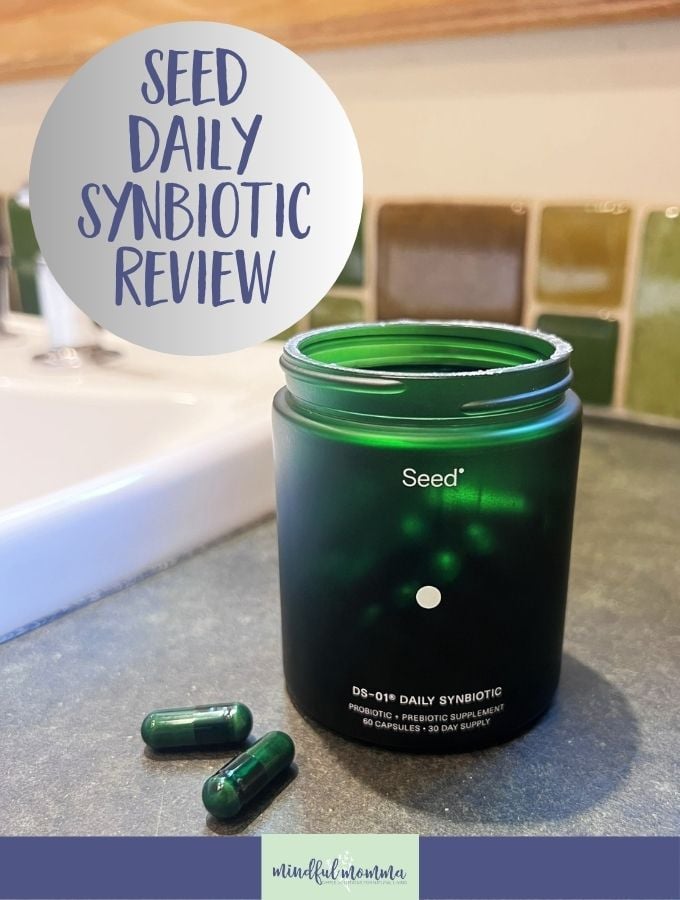
Do you ignore your gut health? Most of us do, but we probably shouldn’t.
I’ll admit, I ignored my gut for years. But after learning how closely gut health is connected to digestion, immunity, and overall wellness, I realized I needed to pay more attention to my microbiome.
That’s what led me to try Seed — a probiotic company that takes a science-first approach to gut health.
There’s no shortage of probiotic brands out there, but Seed stands out for its focus on microbiome research, clinical testing, and strain survivability. Their DS-01 Daily Synbiotic combines 24 clinically studied probiotic strains with prebiotics in a capsule designed to survive digestion and reach the colon intact.
After taking Seed Daily Synbiotic for more than five years, I can honestly say my gut health has never been better.
In this honest Seed Probiotic review, I’m sharing my experience with Seed DS-01, including the pros and cons, ingredients, side effects, pricing, and whether I think Seed is actually worth it.
Quick Verdict / Takeaway
If you’re looking for a high-quality probiotic backed by research and transparency, I think Seed Daily Synbiotic is one of the best options available.
I appreciate that Seed focuses on clinically studied strains, third-party testing, sustainable packaging, and a delivery system designed to help the probiotics survive digestion. I’ve personally noticed better digestive regularity and less bloating since adding Seed to my routine.
That said, Seed is definitely more expensive than many grocery-store probiotics, and like any supplement, it may not work the same way for everyone.
Overall, I think Seed is best suited for people who are willing to invest in a science-backed probiotic and want a more comprehensive approach to gut health than many conventional probiotic supplements offer.
Use promo code MINDFULMOMMA15 for 15% off
Seed made the list of my Top 20 Non-Toxic Brands after 20 years of blogging!
At Mindful Momma we only endorse products we’ve personally researched, tested, and honestly love. We may receive commissions from affiliate links in this article including Amazon Affiliates. Full Disclosure
Seed Probiotic Pros & Cons
After taking Seed Daily Synbiotic for several years, here are the biggest pros and cons I’ve personally found with the supplement.
Pros
- 24 clinically studied strains
- Synbiotic formula (probiotic + prebiotic)
- Sustainable refill packaging
- No refrigeration required
- Easy subscription management
Cons
- More expensive than many probiotics
- Subscription model won’t appeal to everyone
- Some users experience bloating during adjustment period
- Benefits may take several weeks
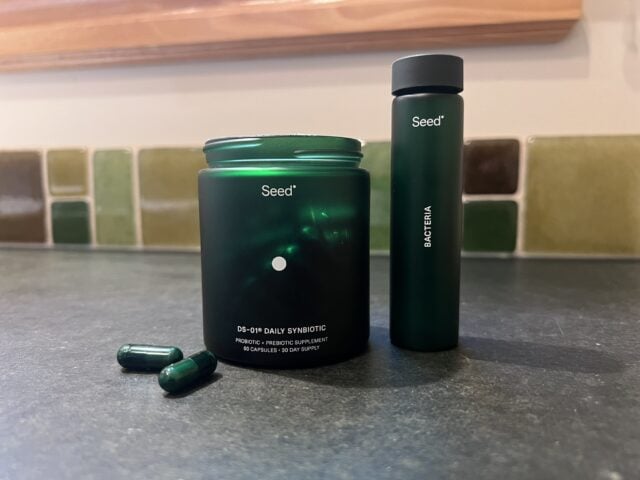
What is Seed DS-01 Daily Synbiotic?
Seed DS-01 Daily Synbiotic is a 2-in-1 probiotic and prebiotic supplement designed to support digestive health, gut barrier integrity, immune function, skin health, and overall microbiome health.
Unlike many probiotics that rely on just a few bacterial strains, Seed DS-01 contains 24 clinically studied probiotic strains combined with a plant-based prebiotic to help nourish beneficial bacteria already living in the gut.
While fermented foods and drinks like kombucha can also help support the gut microbiome, probiotic supplements offer a more concentrated and standardized dose of beneficial bacteria.
One thing that makes Seed especially unique is its capsule technology. The nested capsule design features a probiotic inner capsule and a prebiotic outer capsule that help protect the probiotic strains from stomach acid so they can survive digestion and reach the colon where they are meant to work.
According to Seed, the probiotic strains are backed by more than 20 strain-specific clinical studies and are selected for benefits related to:
- Digestive health
- Regularity
- Gut barrier support
- Heart health
- Skin health
- Micronutrient synthesis
- Immune function
Another bonus: Seed Daily Synbiotic is shelf stable, so there is no need for refrigeration. I simply take mine first thing in the morning on an empty stomach.
My Experience Using Seed Daily Synbiotic
I’ve been taking Seed Daily Synbiotic consistently for more than five years now, which is much longer than I’ve stuck with most supplements.
I originally decided to try Seed because I wanted a probiotic that felt more research-backed and transparent than many of the generic options on the market. I was also intrigued by Seed’s focus on microbiome science and the fact that the capsules are designed to survive digestion and actually reach the colon.
After taking Seed consistently, the biggest improvements I personally noticed were related to digestion and regularity. For me, the most noticeable benefits included:
- Less bloating
- Less gas
- More regular bowel movements
- More consistent digestion
- Better overall gut comfort
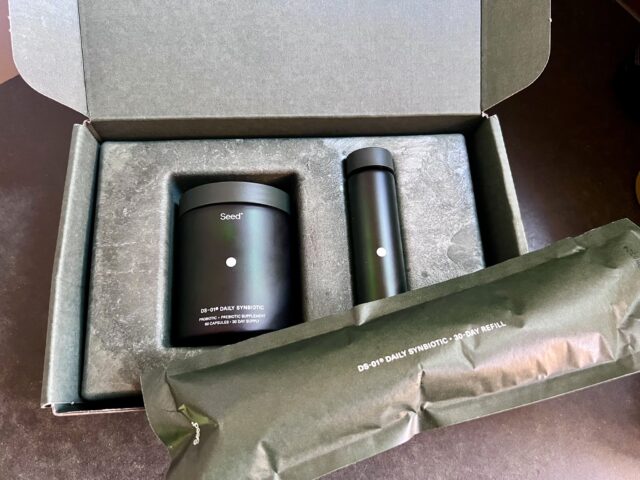
I also appreciate Seed’s sustainability approach. My first order came with a reusable glass jar and travel vial instead of single-use plastic, and refill shipments arrive in compostable packaging with far less waste than traditional supplement containers.
Of course, probiotics are not a magic fix, and I still believe healthy digestion starts with a nutrient-dense diet and overall healthy lifestyle. But in my experience, Seed has been a helpful addition to my wellness routine and one of the few probiotics I’ve continued taking long term.
Seed has also become one of the few supplements I consistently include in my daily wellness routine alongside a handful of other supplements I take regularly.
Ingredients & Strains
Seed DS-01 Daily Synbiotic contains 24 clinically studied probiotic strains across multiple categories of beneficial bacteria, along with a prebiotic derived from Indian pomegranate.
The formula includes strains chosen for digestive health, gut barrier support, regularity, immune function, skin health, and micronutrient production.
Some of the well-known probiotic species included in Seed are:
- Lactobacillus
- Bifidobacterium
- Limosilactobacillus
Fermented beverages like kombucha and kefir can also provide beneficial bacteria, although probiotic supplements typically contain more targeted strains selected for specific health benefits.
What sets Seed apart from many probiotics is its focus on strain-specific research and survivability. According to the company, the strains are tested to ensure they can survive stomach acid and remain viable through digestion.
Seed also includes a prebiotic outer capsule that helps nourish beneficial bacteria in the gut while protecting the probiotic strains during digestion.
Another interesting feature is that Seed includes strains associated with folate production, which may be especially beneficial for women’s health.
The formula is vegan, free from common allergens, and does not require refrigeration.
Who Seed Daily Synbiotic Is Best For
Seed Daily Synbiotic may be a good fit for people looking for a high-quality probiotic with a research-backed formula and a strong focus on gut health. While no probiotic works the same for everyone, I think Seed stands out most for a few specific groups of people.
Seed may be especially helpful for:
- People dealing with occasional bloating or digestive discomfort
- Anyone looking for a high-quality multi-strain probiotic
- Frequent travelers who want a probiotic that does not require refrigeration
- People interested in microbiome science and clinically studied strains
- Sustainability-minded shoppers who appreciate Seed’s refillable glass jar and lower-waste packaging
One thing that makes Seed different from many probiotics is that it combines probiotics and prebiotics in one formula, which may help support both digestive health and the beneficial bacteria already living in your gut.
That said, Seed may not be the best choice for everyone.
It may not be ideal for:
- People on a tight budget, since Seed is more expensive than many grocery-store probiotics
- Those with highly sensitive digestive systems who prefer introducing probiotics very slowly
- People specifically looking for a single-strain probiotic recommended by a healthcare practitioner
As with any supplement, it’s important to pay attention to how your body responds and talk with your healthcare provider if you have ongoing digestive concerns.
Seed Probiotic Side Effects & Adjustment Period
Like many probiotics, Seed Daily Synbiotic may cause some mild digestive changes when you first start taking it. This adjustment period is fairly common as your gut microbiome adapts to new probiotic strains and prebiotics.
Some people report temporary symptoms such as:
- Mild bloating
- Gas
- Changes in bowel movements
- Mild stomach discomfort
In my experience, I did not notice any major side effects, but everyone responds differently to probiotics depending on their digestive health, diet, and sensitivity to supplements.
Seed recommends starting with one capsule daily for the first few days before increasing to the full serving of two capsules per day. This gradual approach may help reduce digestive discomfort during the adjustment period.
If you have a very sensitive digestive system, IBS, or existing gastrointestinal conditions, you may want to introduce any new probiotic slowly and check with your healthcare provider if you have concerns.
Overall, Seed appears to be safe for most healthy adults, but it’s important to remember that probiotics are not one-size-fits-all and results can vary from person to person.
Pricing & Subscription
Seed Daily Synbiotic is definitely more expensive than many conventional probiotics, but part of that cost reflects the company’s focus on research, testing, sustainability, and delivery technology.
Seed is sold through a monthly subscription model. Your first order includes:
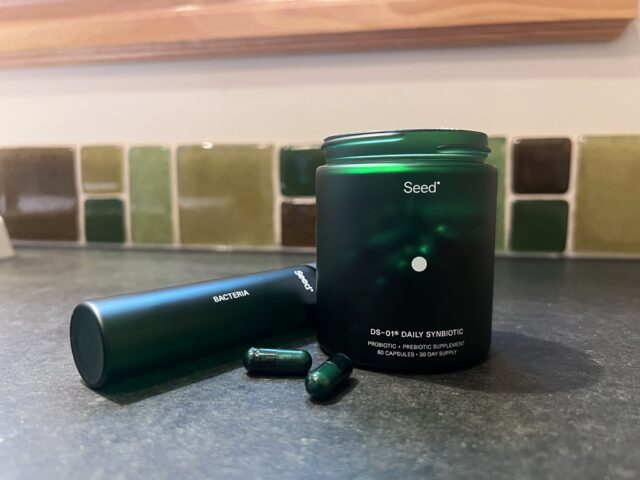
- A reusable glass jar
- A travel vial
- A 30-day supply of capsules
Future shipments arrive in a compostable refill pouch designed to reduce packaging waste.
One thing I appreciate is that the subscription is easy to manage online, and because Seed is shelf stable, it’s easy to travel with and store at home.
If you are interested in trying Seed, you can usually save on your first order with a promo code such as MINDFULMOMMA15.
For me personally, while Seed costs more than many grocery-store probiotics, I’ve found the quality, convenience, and long-term digestive benefits worth the investment.
How Seed Compares to Other Probiotics
One thing that makes Seed different from many probiotic supplements is its focus on strain-specific research, delivery technology, and microbiome support. But depending on your needs, another type of probiotic may still make more sense.
Compared to refrigerated probiotics, Seed is more convenient for travel and everyday use because it does not require refrigeration.
Compared to single-strain probiotics, Seed uses a broad-spectrum formula with 24 probiotic strains plus a prebiotic component. Some people prefer this more comprehensive approach, while others may specifically want a targeted single-strain probiotic recommended for a particular digestive concern.
Compared to cheaper grocery-store probiotics, Seed is definitely more expensive. However, many lower-cost probiotics contain fewer strains, lower CFU counts, or less transparency around strain testing and survivability.
For me, Seed stands out most for its combination of clinically studied strains, digestive survivability, ingredient transparency, and comprehensive microbiome support.
That said, whether it is “worth it” really depends on your budget, health goals, and how your body responds to probiotics.
Is Seed Worth It? My Honest Seed Probiotic Review
After using Seed Daily Synbiotic consistently for more than five years, I do think it is one of the best probiotic supplements I’ve personally tried.
What I appreciate most about Seed is that it takes a more comprehensive approach to gut health than many conventional probiotics. The formula combines probiotics and prebiotics, uses clinically studied strains, and is designed to survive digestion so the bacteria can actually reach the colon.
Personally, I’ve noticed better regularity, less bloating, and more consistent digestion since making Seed part of my daily routine.
That said, Seed is definitely more expensive than many grocery-store probiotics, and it may not be necessary for everyone. If you are simply looking for a basic probiotic or are on a tight budget, there are more affordable options available.
But if you want a high-quality synbiotic with a strong focus on microbiome health, ingredient transparency, and long-term wellness support, I think Seed is absolutely worth considering.
More Supplements from Seed
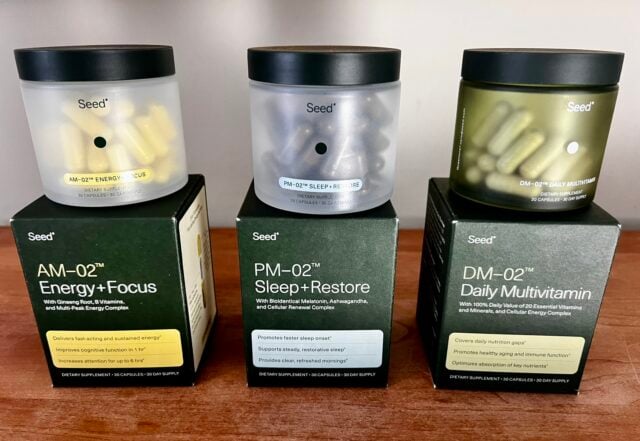
Along with probiotics, Seed has also branched out into other helpful supplements. I’ve sampled all three of them and can vouch for their quality.
- Daily Multivitamin – delivers 100% daily value of 20 essential vitamins and minerals.
- Sleep + Restore – non-habit forming support for deep, restorative sleep using bioidentical melatonin, ashwagandha and other beneficial herbs.
- Energy + Focus – delivers caffeine-free energy to sharpen focus and enhance attention using ginseng root and clinically studied nootropics.
Seed Probiotic FAQs
How long does Seed Daily Synbiotic take to work?
Results vary, but many people notice changes in digestion, bloating, or regularity within 2–4 weeks of consistent daily use. For others, it may take 4–8 weeks to notice more meaningful benefits.
Because gut health is highly individual, results depend on factors like diet, stress, and baseline digestive health.
Are there side effects when taking Seed Probiotic?
Some people experience mild digestive side effects when first starting a probiotic, including bloating, gas, or temporary changes in bowel movements.
These effects are usually short-term as the gut microbiome adjusts. Starting with one capsule per day before increasing to the full dose may help minimize discomfort.
What is the best time of day to take Seed?
Seed recommends taking DS-01 Daily Synbiotic on an empty stomach, either before a meal or a few hours after eating.
I personally take mine first thing in the morning. However, consistency matters more than exact timing.
Does Seed Probiotic need to be refrigerated?
No. Seed Daily Synbiotic is shelf stable and does not require refrigeration.
The capsule-in-capsule technology is designed to protect the probiotic strains from heat, moisture, and stomach acid so they remain viable through digestion.
Is Seed Probiotic safe?
Seed Daily Synbiotic is generally considered safe for healthy adults and is formulated without dairy, gluten, soy, and many other common allergens. It is also vegan and non-GMO.
As with any supplement, individuals who are pregnant, immunocompromised, or managing a medical condition should consult a healthcare provider before use.
Is Seed Probiotic only available by subscription?
Yes, Seed is sold through a subscription model. Your first order includes a reusable glass jar and travel vial, and refills arrive in compostable packaging.
Subscriptions can typically be paused, adjusted, or canceled at any time through your account.

P.S. Like this Brand Review? Find more Brand Reviews here


This sounds awesome! It is so great to find a company that CARES like that!! I recently shifted from ‘avoiding companies that are knowingly poisoning us’ to ‘companies that are consciously doing good’ so I love hearing of more companies like this!
Also, I love knowing that this prebiotic/probiotic combo actually makes it to the colon. That’s a super important aspect that a lot of people don’t even know about!!
I agree – the mission behind the company is SO important to me! Seed is super dedicated to the research side but they are also kind of silly in their marketing, which I love as well.
As someone who practices functional nutrition, I can validate that, yes, the gut is THE most important piece of each person’s health puzzle. This isn’t surprising if you think about it. You are what you ABSORB!! Seed is a fantastic product. Most probiotics out there are a waste of money. My other favorite is MegaSporeBiotic from Microbiome Labs which is heat stable up to 450 degrees and can survive the stomach acid! Taking one of these products regularly can go a long way toward prevention of chronic disease. Great post!
So glad to hear you agree about the importance of gut health! There’s still so much more to learn about it, but taking a high quality probiotic is an important step for health!
I need to get more familiar with the Seed products, they seem quite reasonable.
There’s a 15% discount in the post if you are interested in trying them out! 🙂
I’ve been obsessed with the microbiome for years now, and have tested so many different types. I haven’t seen or tried this one. Love that they are combining the pre-and probiotics together in one capsule. Also LOVE that they are using glass jars and good packaging, and a refill!! I took a look at the strains and quite like them, am a bit sensitive to mushrooms but think it is such a small amount. I agree with Chelsea, MegaSporeBiotic is my favorite at the moment. Will definitely put this on my have to try list 🙂
The sustainable packaging and refills is a HUGE bonus for me too!